
Meet the 2026 WasteSMART Brisbane Awards winners!
Eat Street Northshore
WINNER
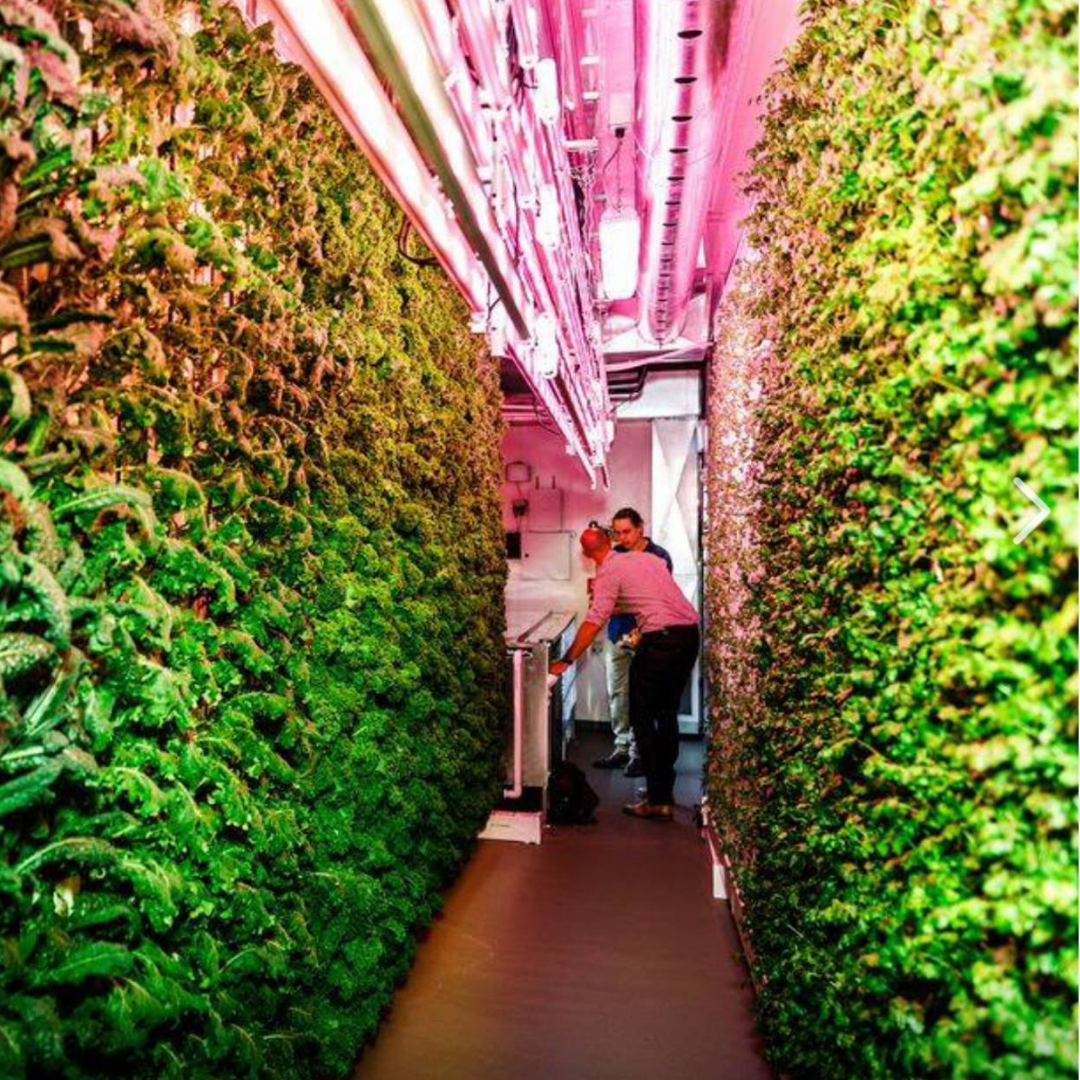
With more than 60 food vendors and 600,000 visitors each year, Eat Street Northshore is proving that large-scale hospitality can also deliver large-scale sustainability.
From compostable serve ware and food scrap collection to oyster shell recycling and Container for Change fundraising, sustainability is embedded throughout the precinct's operations. The venue has diverted more than 15,360 kilograms of oyster shells to support reef restoration in Moreton Bay, recycled 25,000 litres of cooking oil, recycled 20,000 plastic bottle caps into products such as park benches and helped raise more than $26,000 for Variety-The Children's Charity through container recycling.
Creative reuse initiatives are also giving materials a second life, with pallets transformed into seating, food scraps provided to local farmers as animal feed and thousands of buckets, jars and polystyrene boxes repurposed by community members and businesses.
Avenues Early Learning Centre Bowen Hills
WINNER
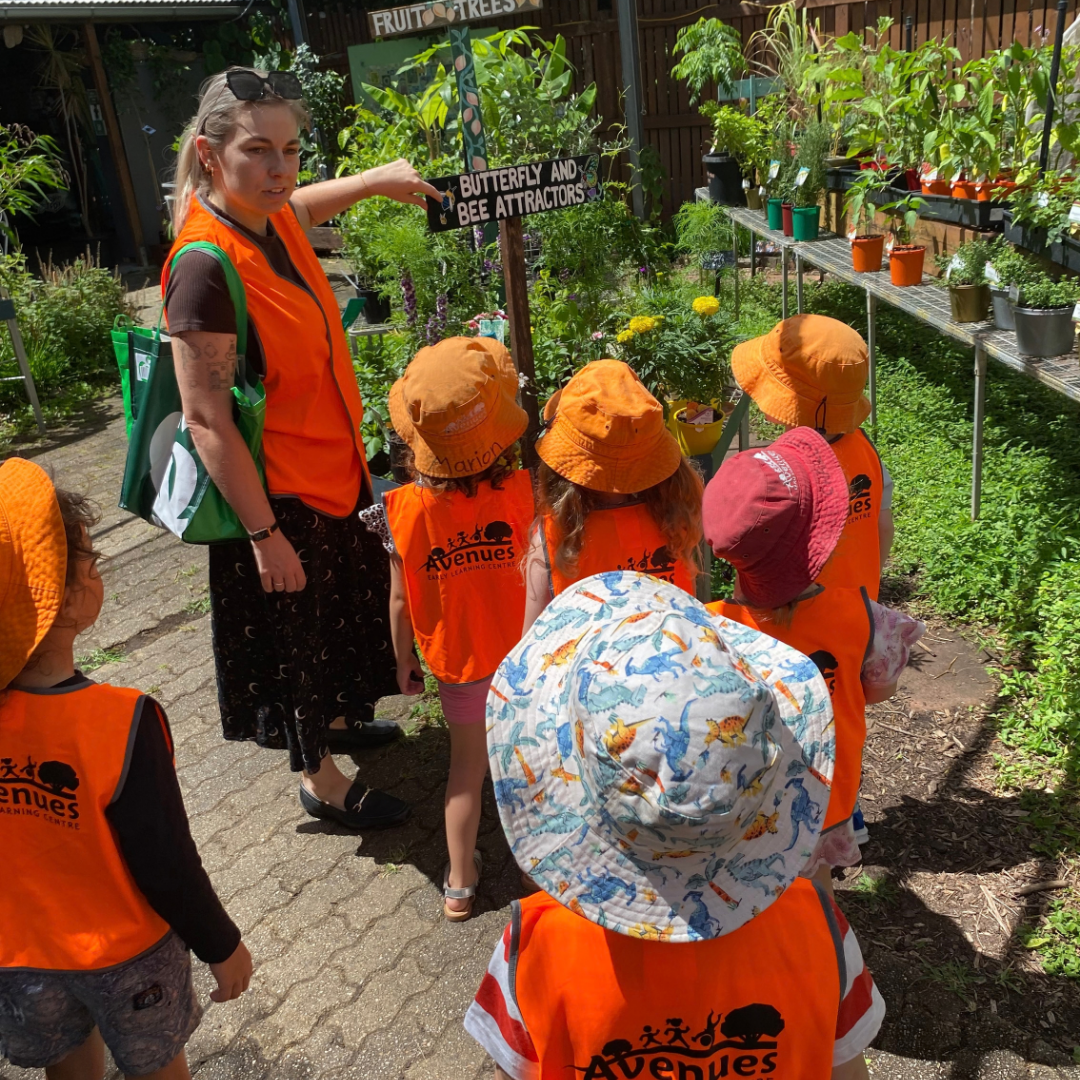
How do you create a thriving garden when you’re short on space? With PVC pipes, of course. Rather than using a large compost bin, Avenues Early Learning Centre in Bowen Hills have developed unique composting tubes, made from recycled PVC pipes.
The kids save their everyday food scraps from home, and also collect scraps from the onsite kitchen, and use a blender to make a “plant smoothie” The plant smoothie is then fed to the pipes using a composting tube. The result? The gardens are thriving and nearby kindies are also learning how to compost in small spaces.
Sue Moller
WINNER
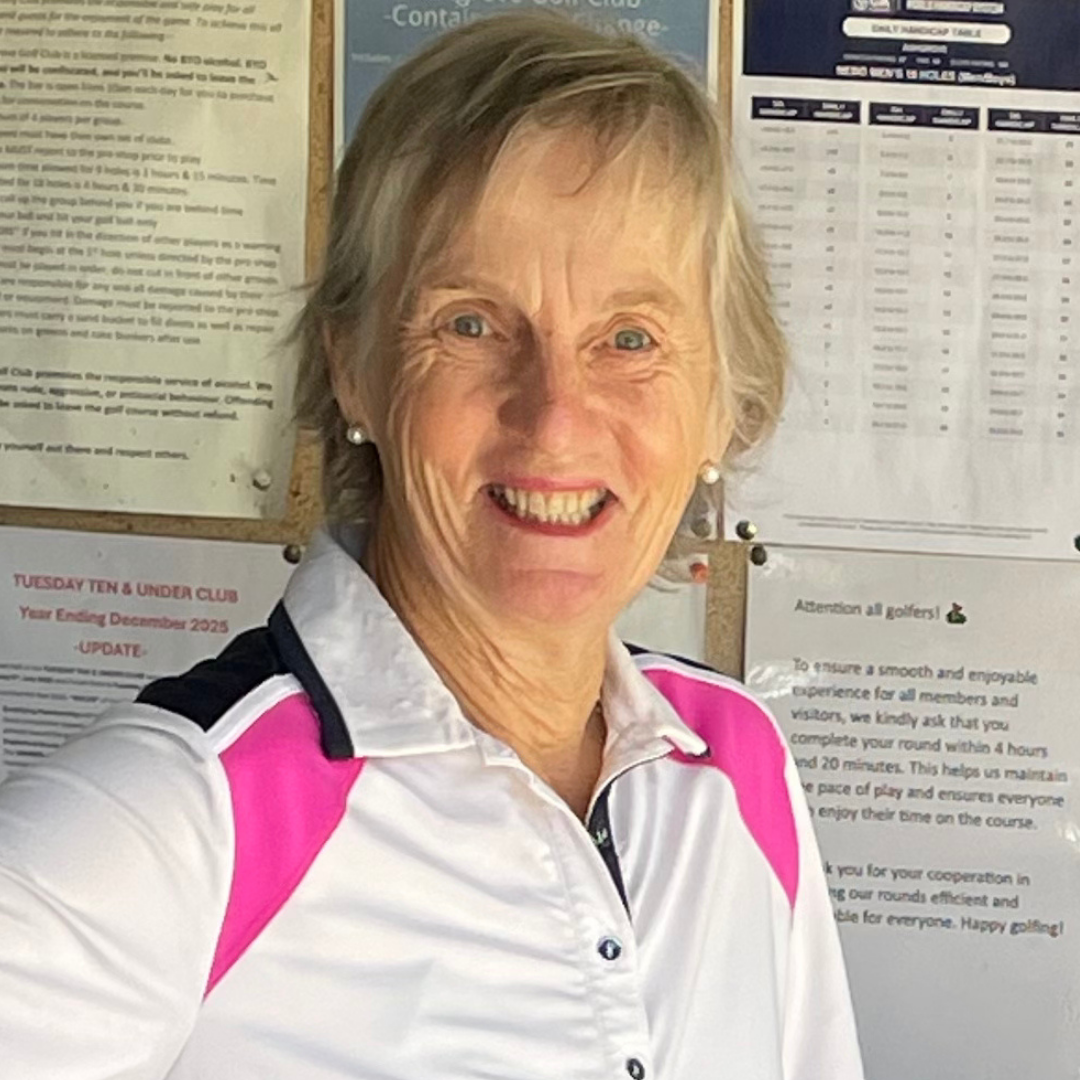
Through practical recycling, reuse and composting initiatives, Sue Moller has helped divert thousands of items from landfill while inspiring her community to embrace more sustainable habits.
At Ashgrove Golf Course, Sue has led Queensland's first golf ball recycling initiative, collecting more than 3,000 golf balls for recycling, with 1,500 already sent for shredding and a further 2,000 cleaned and made available for junior and women's golf programs. She has also coordinated the recycling of many kilograms of broken golf tees, recovered more than 70,000 cans and bottles through Container for Change.
Sue also helps coordinate composting and gardening programs at The Gap State School, giving students hands-on opportunities to learn about sustainability and resource recovery.
St Laurence’s College Urban Farm
WINNER
At St Laurence’s College Urban Farm, students are learning to view waste as a resource in the wrong place. For more than a decade, students have collected food scraps, leaf litter, prunings and other garden organics and transformed them into valuable resources that support the farm’s thriving food production systems.
In 2026, students expanded the initiative by building a dedicated green waste station from repurposed pallets. Combined with the farm’s unique worm farming system, built from four recycled bathtubs, the project turns organic waste into mulch, worm castings and liquid fertiliser that improve soil health and reduce the need for purchased products.
Around 30 students help maintain the systems throughout the year, gaining hands-on experience in resource recovery, composting and circular economy principles. The Urban Farm also shares these ideas with the wider community, welcoming hundreds of visiting students each year and demonstrating how schools can turn waste into a valuable resource.
W Brisbane
WINNER
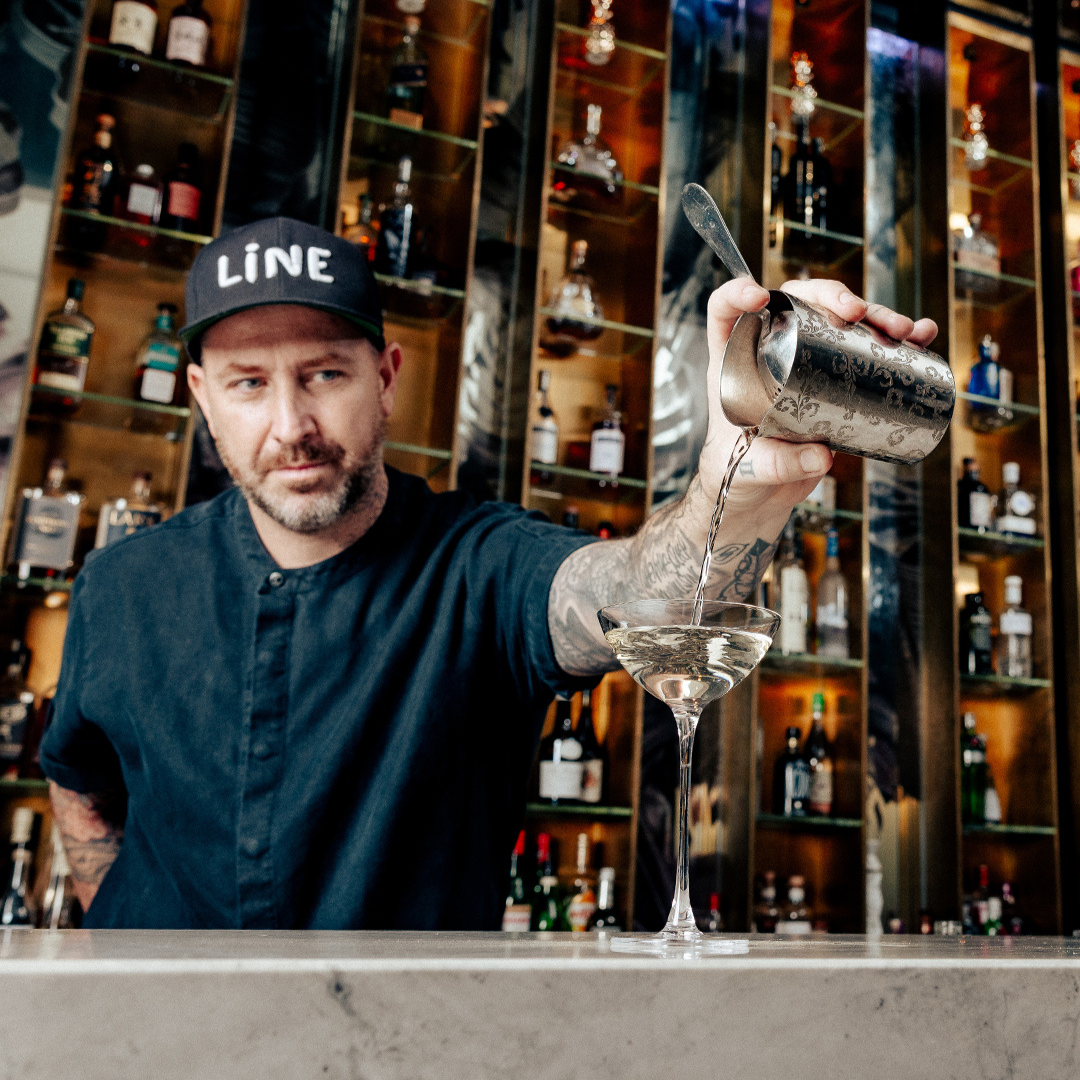
Rather than treating waste as a by-product of operations, the W Brisbane has embedded circular economy principles across every department. Between July 2025 and June 2026, the hotel diverted more than 1 million kilograms of waste from landfill, achieving a waste diversion rate of 37.6 per cent.
The program combines waste avoidance, recycling, resource recovery and reuse initiatives. More than 63,900 containers were collected through Containers for Change, raising $6,390 to reinvest in future sustainability projects. Surplus food is redirected to support vulnerable communities through partnerships with OzHarvest, while unavoidable food waste is processed into agricultural products rather than sent to landfill. Hard-to-recycle plastics are also repurposed into durable new products through a partnership with Defy Design.
With sustainability champions embedded throughout the business and up to 350 employees participating, the program has created a culture where environmental responsibility is part of everyday decision-making.
Send On Upcycling
WINNER
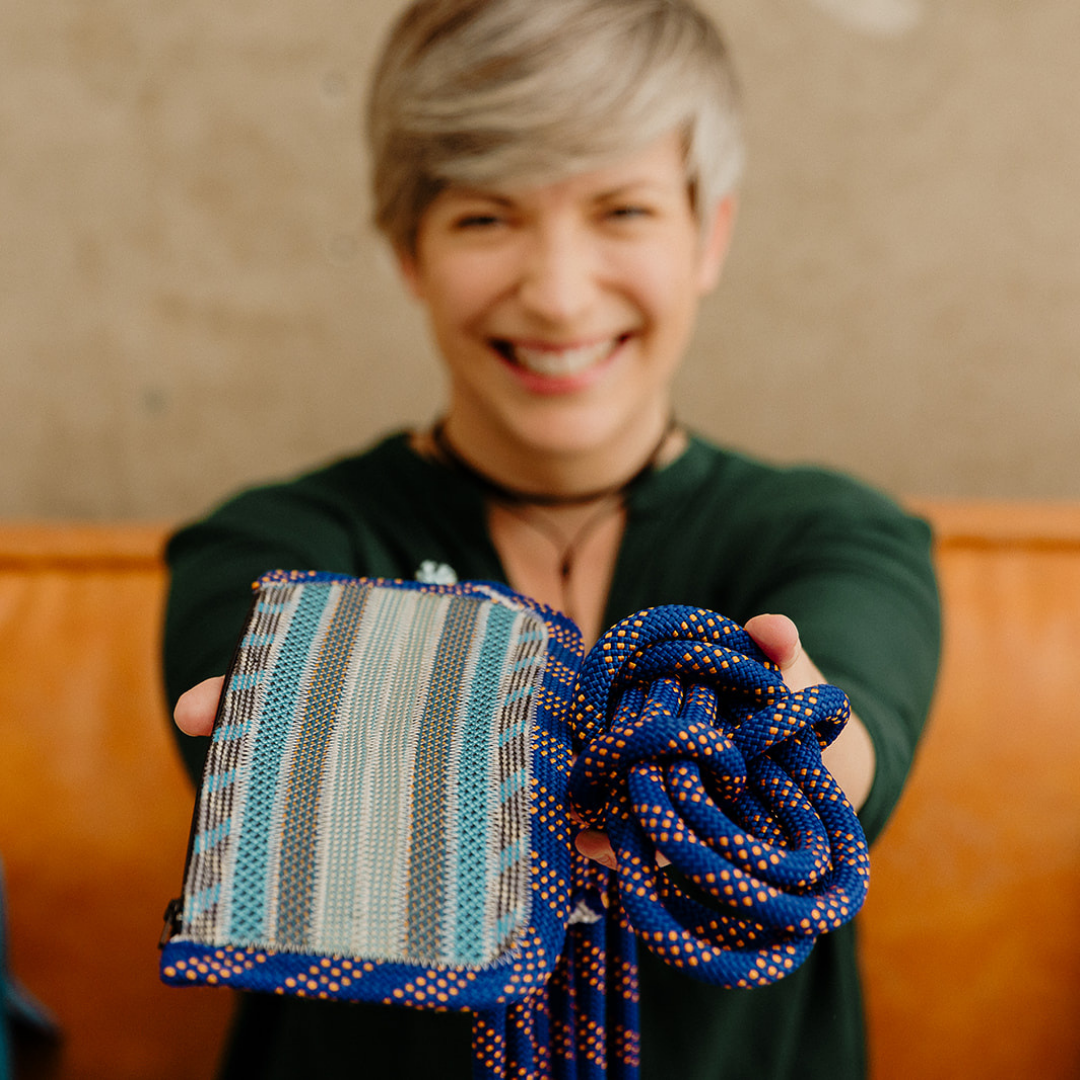
What happens to climbing ropes, harnesses and helmets once they're no longer safe to use? Through Send On Upcycling, Tegan Luker is turning these hard-to-recycle items into functional new products.
Using only upcycled, reclaimed and second-hand materials, Tegan transforms retired climbing equipment into new creations while also running a dog lead recycling program that recovers components from old collars, leads and harnesses. In 2025-26 alone, Send On Upcycling diverted 4,520 metres of climbing rope, 287 harnesses, 45 helmets and more than 760 dog leads, collars and harnesses from landfill.
By partnering with climbers, schools, community organisations and other sustainability-focused businesses, Send On Upcycling is helping people see waste differently and demonstrating the value of creative reuse.
Harvest Cook Create Northside Community Swap & Melinda Adams
WINNER
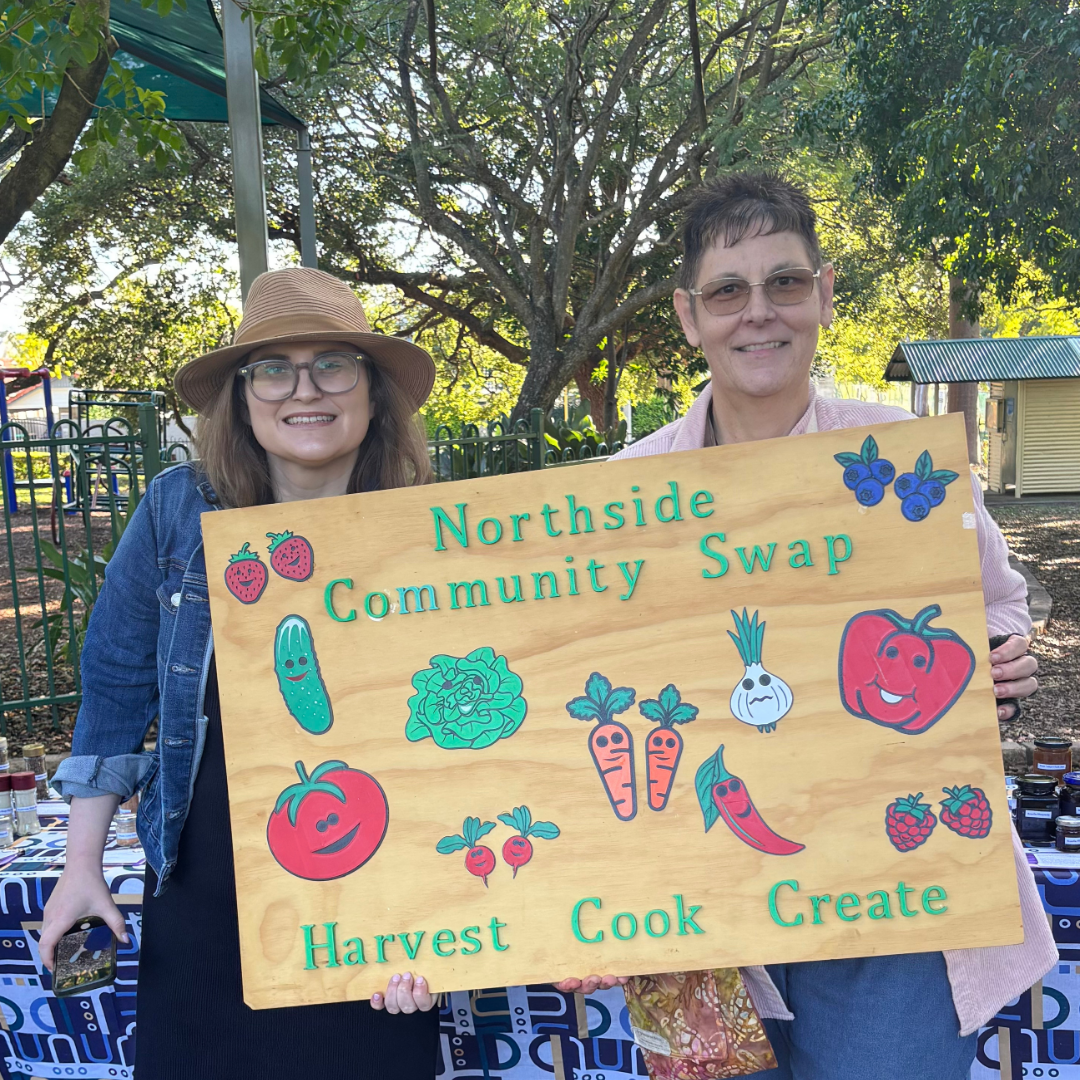
What started as a simple produce swap has grown into a thriving community where people share homegrown produce, homemade food, handmade creations and upcycled treasures, all without money changing hands. Around 50 people now attend the monthly swaps, supported by an online community of almost 1,900 members.
The initiative encourages people to see waste differently, transforming surplus food, old clothing, containers, fabric and other unwanted items into something practical or beautiful. From reusable bags made from old shirts to planters created from discarded pots, the swap showcases creative ways to keep resources in use for longer.
Plants in a Ute
WINNER
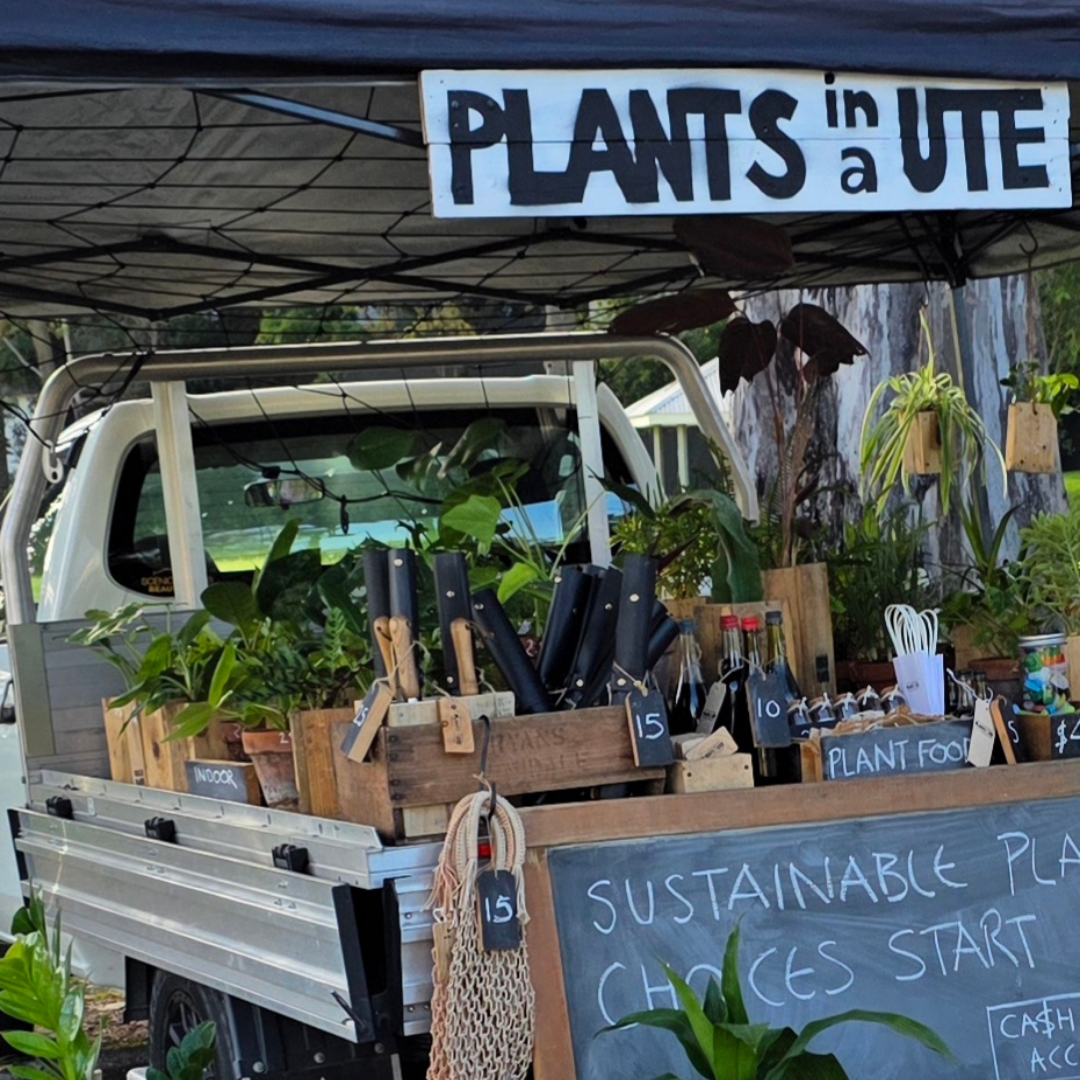
Plants in a Ute rescue abandoned plants, restores them to health and rehomes them, helping reduce waste while encouraging people to rethink traditional plant purchases.
The business also repurposes discarded timber pallets into unique plant pots, diverting more than 100 pallets from landfill last year alone.
Beyond rescued plants and recycled pots, Plants in a Ute creates compost, plant food and worm products from household food scraps, coffee grounds, tea bags and eggshells. Through markets, workshops and community engagement, the business is helping more people discover practical ways to reduce waste in their everyday life.
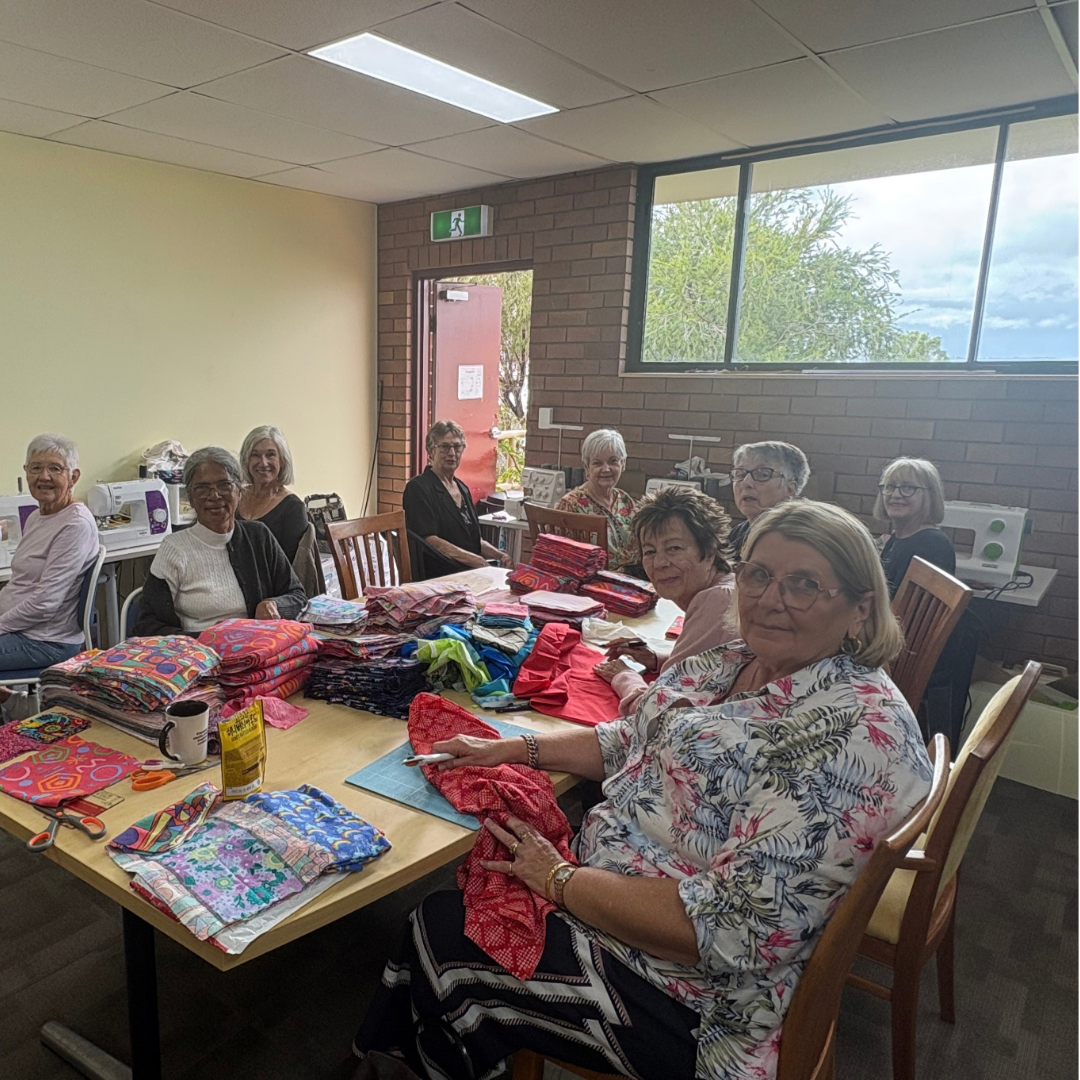
Days for Girls Wynnum Manly Satellite Group
WINNER
Days for Girls is helping reduce waste while improving access to essential menstrual health products for women and girls in Australia and the Pacific. The volunteer-led group creates reusable feminine hygiene kits that are fully washable and designed to last between three and five years, helping to reduce reliance on disposable products.
Last year alone, they have produced 2,500 kits, preventing more than 125,000 disposable hygiene products from entering landfill. Alongside creating the kits, volunteers provide health education and support for women experiencing hardship, including those in regional communities and areas affected by natural disasters.
Ashgrove State School
WINNER
Trash Free Tuesday, the Great Ashgrove Clean Up, weekly gardening club and tree planting days are just some of the creative projects run by Ashgrove State School to make sustainability fun and engaging for all students. Meanwhile, their Green Team, a group of passionate young people, have led waste audits, class challenges and Containers for Change, managing to achieve a zero-waste result for Trash Free Tuesday.
They have also replaced single-use soy sauce fish with a refillable pump bottle, eliminating thousands of individual plastic containers from going to landfill.
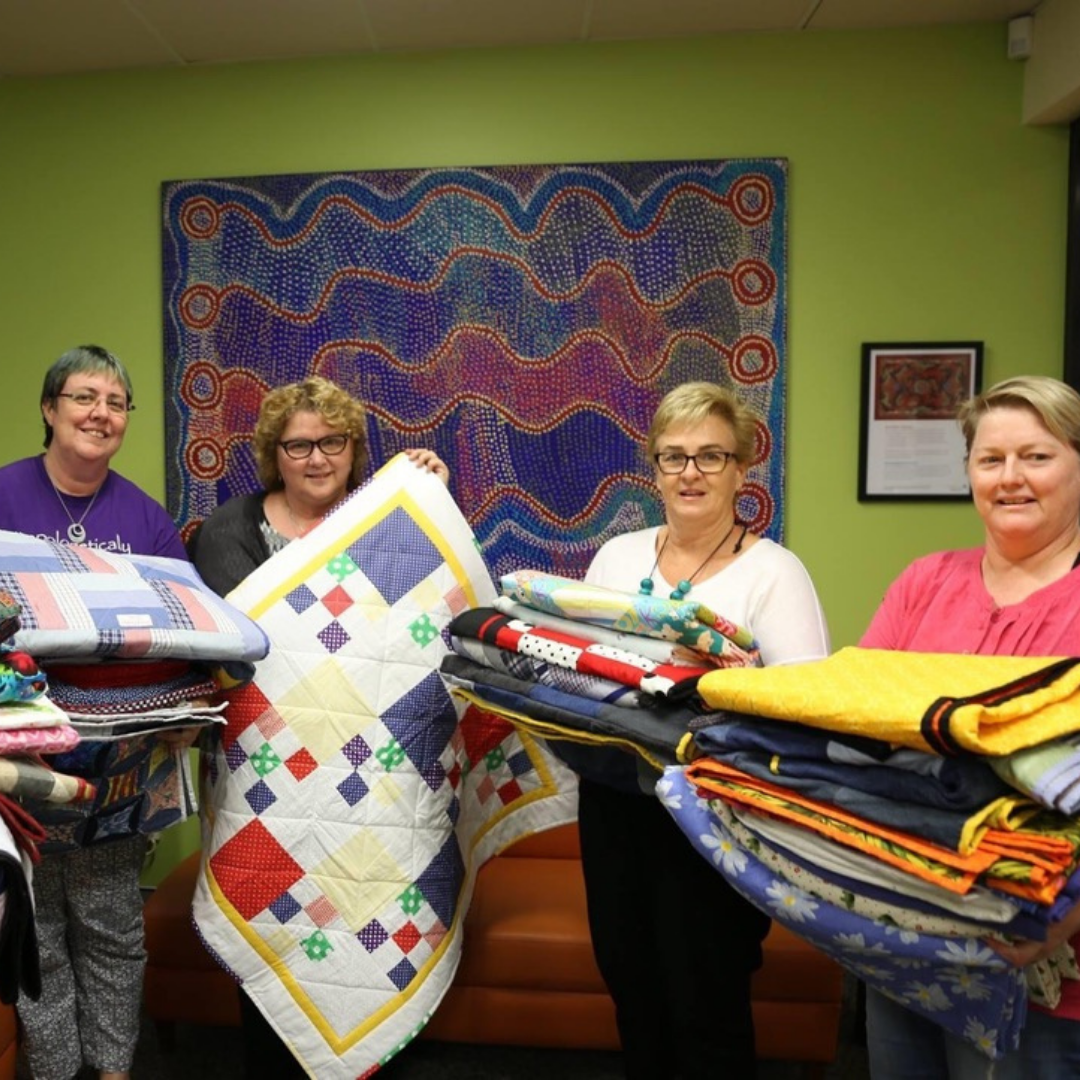
The Other Greenbagz
WINNER
For more than 15 years, The Other Greenbagz has been transforming unwanted clothing and donated fabrics into handmade quilts for people experiencing homelessness, young mothers and others facing hardship. By treating discarded textiles as a valuable resource, the volunteer-led group gives new life to materials that might otherwise end up going to waste.
Volunteers collect, sort and deconstruct donated fabrics, before creatively repurposing them into unique patchwork quilts. Distributed through organisations like Micah Projects and the St Vincent’s palliative care wing, each quilt provides warmth, comfort and dignity to people in need.
During 2025-26 alone, the group produced approximately 120 quilts and baby play mats, supported by an estimated 2,690 volunteer hours.
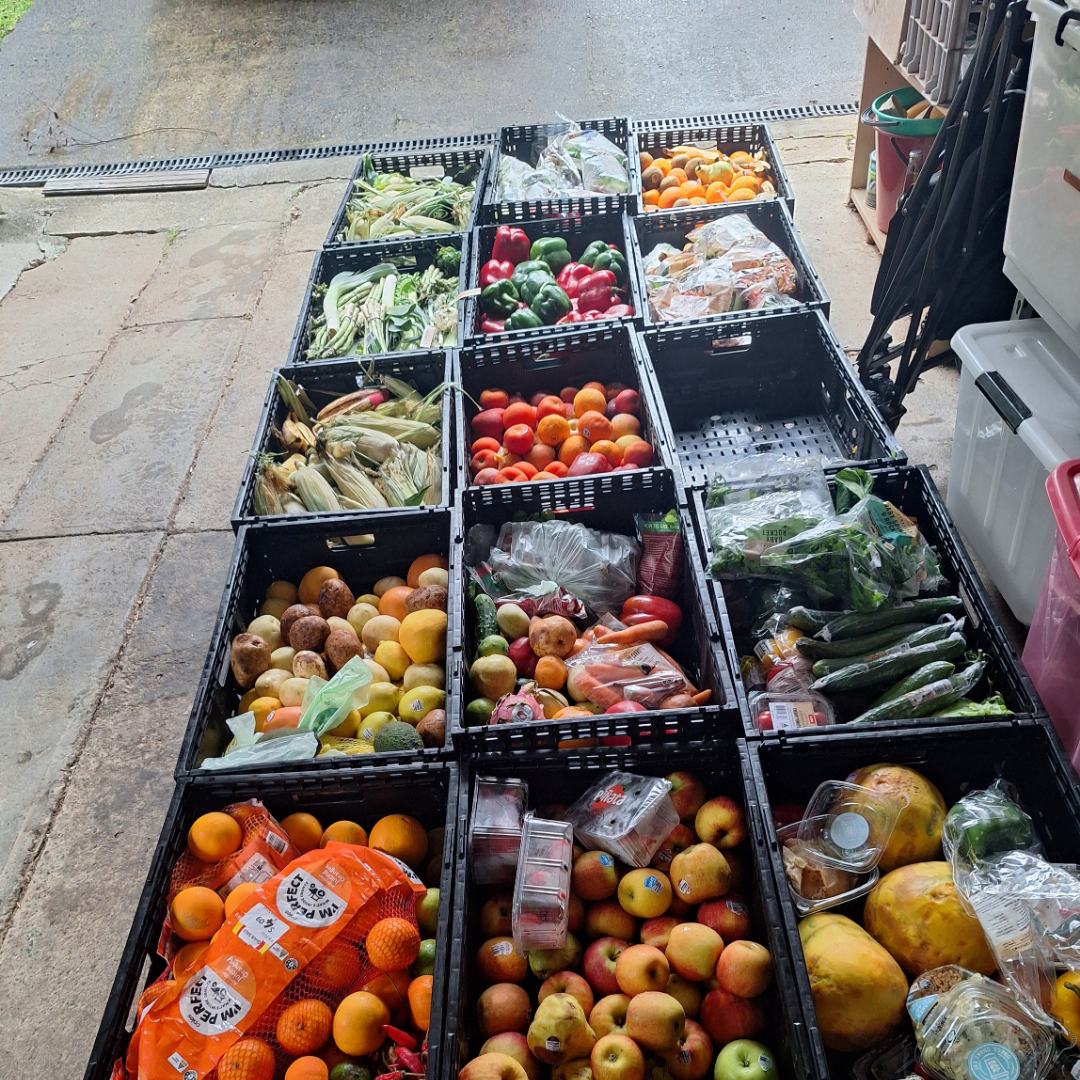
Street Care Qld Inc
HIGHLY COMMENDED
Every week, Street Care Qld rescues up to 2.5 tonnes of surplus food that would otherwise be sent to landfill and delivers it directly to people who need it most. Entirely volunteer-run, they collect bread, fruit, vegetables and pantry goods that larger food rescue organisations often cannot collect, especially on weekends.
Since launching the Nourish Project, Street Care has rescued more than 65 tonnes of food, enough to provide more than 130,000 meals while supporting over 20 schools, charities, community organisations and crisis accommodation providers across Brisbane.
Beyond reducing food waste, Street Care focuses on delivering support to people experiencing hardship through initiatives such as school-based food programs, 24-hour street pantries and direct distribution to people in need.
OzFish Unlimited – Central Moreton Bay Chapter
WINNER
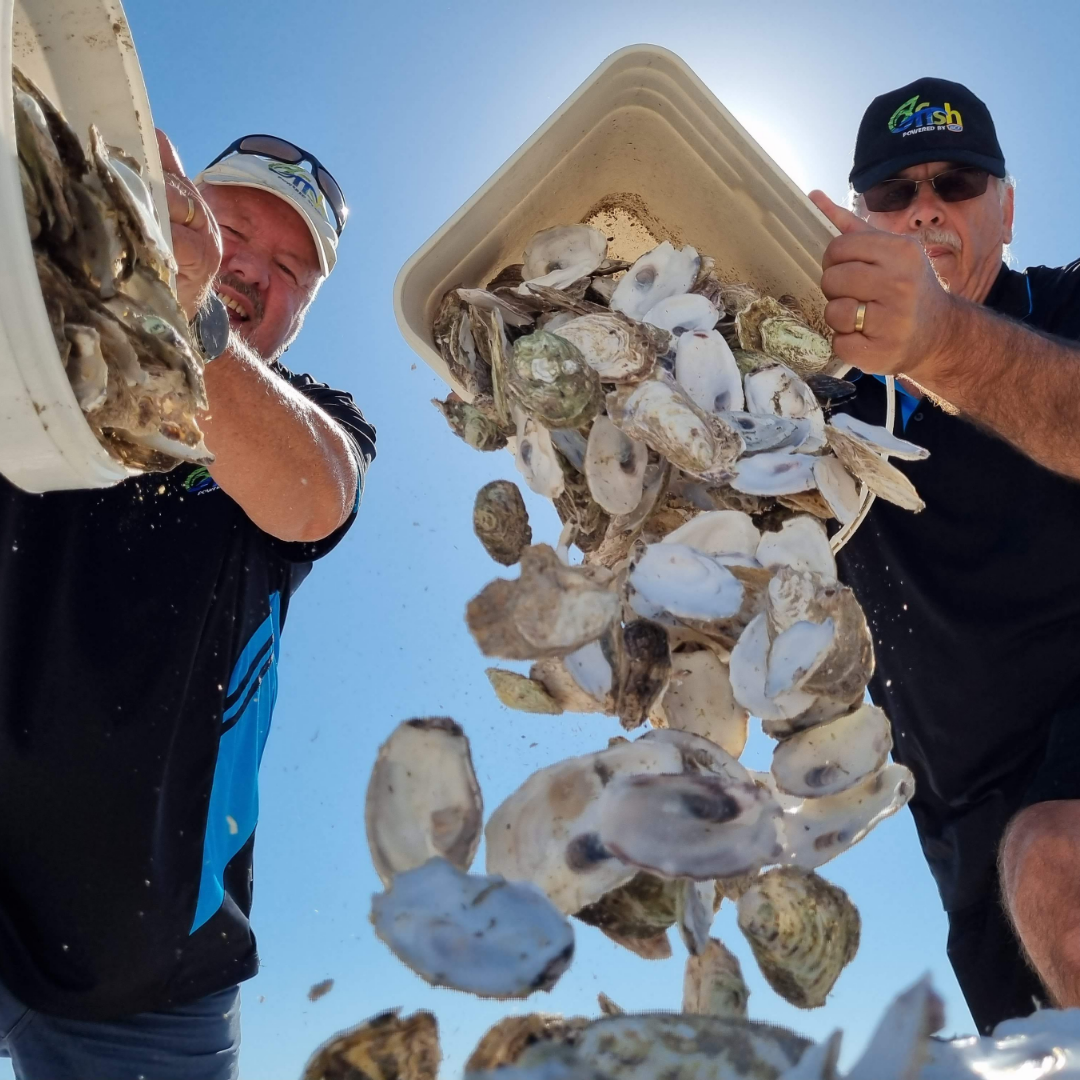
OzFish Unlimited's Central Moreton Bay Chapter is Australia's largest community-led shellfish reef restoration project, collecting discarded oyster shells from restaurants, seafood outlets and commercial shuckers and transforming them into the foundation for new shellfish reefs.
At the chapter's shell recycling facility, recycled shells are sanitised and packed into specially designed Robust Oyster Baskets, where they provide habitat for baby oysters to settle, grow and form self-sustaining reefs.
In 2025 alone, the chapter diverted more than 216 tonnes of oyster shell from landfill and contributed more than 7,800 volunteer hours to reef restoration. Since 2017, volunteers have deployed more than 17,000 Robust Oyster Baskets, helping support an estimated 9.7 million shellfish and 17.5 million marine creatures.
Maurice Maas – GenerationKind
HIGHLY COMMENDED
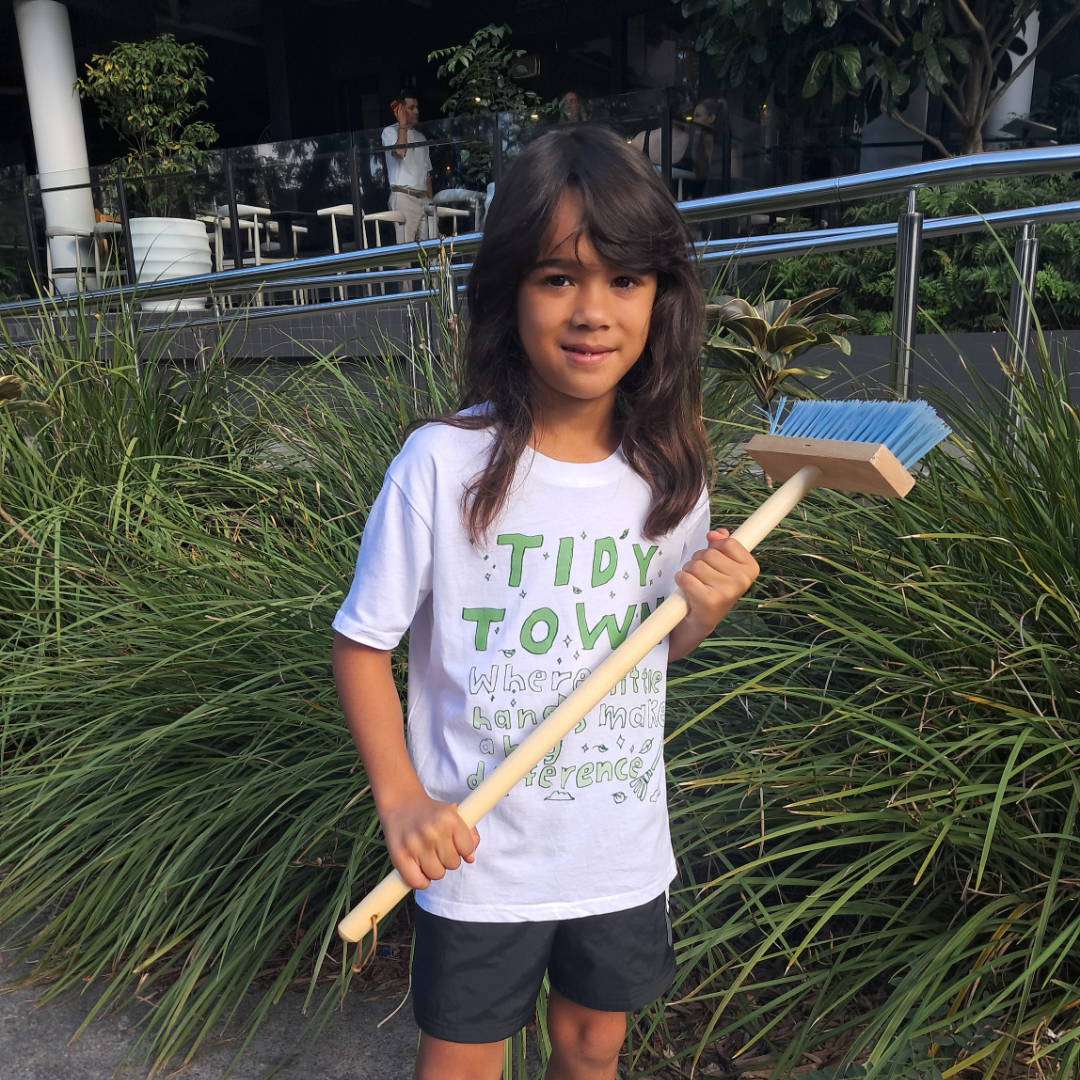
At just seven years old, Maurice Maas is proving that you're never too young to make a difference. In March 2026, together with his family, Maurice organised TidyTown, a community clean-up that brought together 105 children and their families to care for their local neighbourhood.
The event removed approximately 1,500 litres of rubbish and organic material from the environment while teaching children that small actions can create meaningful change when people work together. Through the hands-on experience, children learned about waste reduction, environmental responsibility and taking pride in the places where they live.
The success of TidyTown has inspired a broader vision through GenerationKind, an up-and-coming not-for-profit which aims to create ongoing opportunities for children to care for their environment.