Meet the finalists for the 2026 WasteSMART Brisbane Awards!
Voting for the WasteSMART People’s Choice Award is now open. Explore the inspiring waste-smart initiatives from this year’s finalists, choose your favourite and cast your vote.
Voting closes Monday 12 October 2026, so don’t miss your chance to help recognise Brisbane’s waste-smart champions.
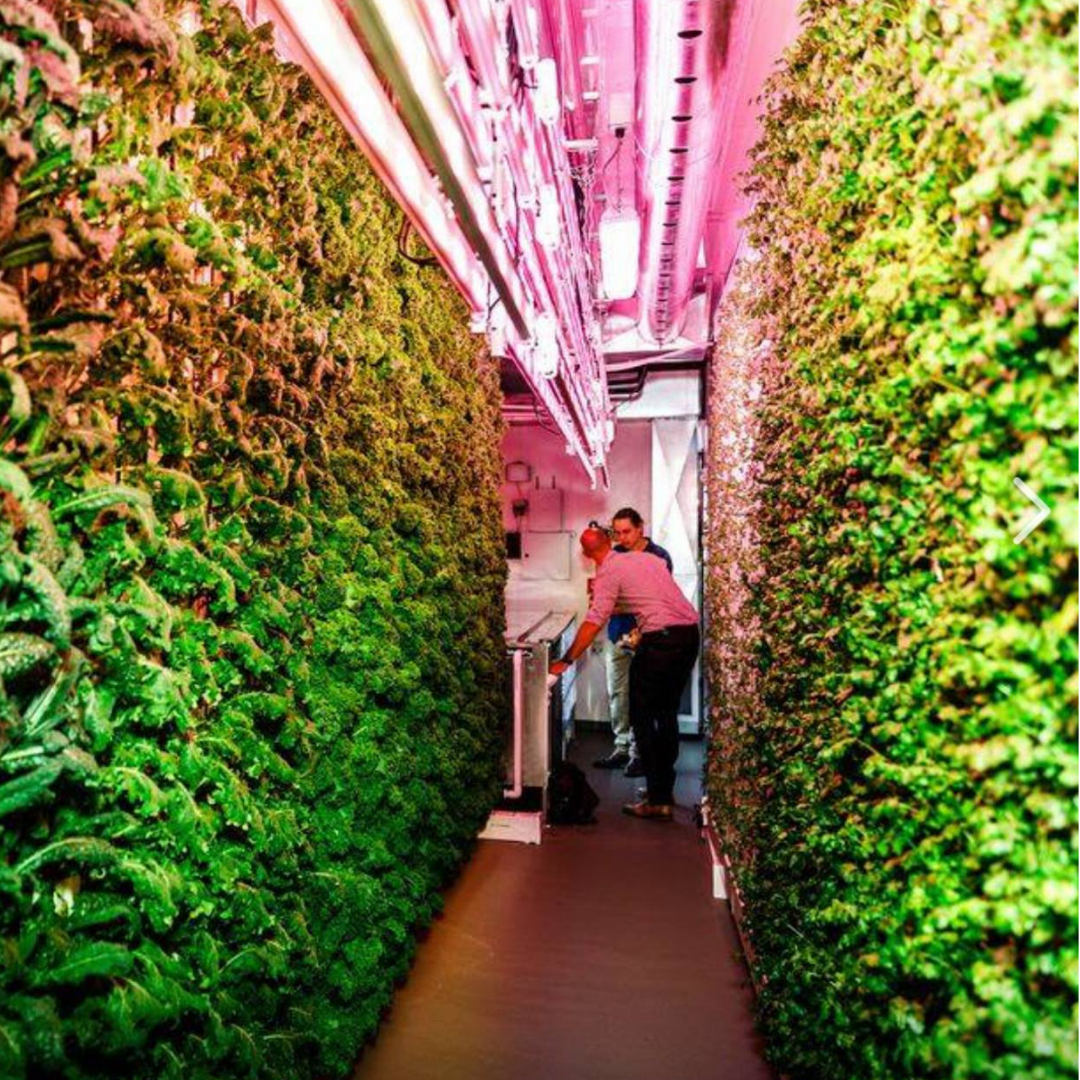
Eat Street Northshore
With more than 60 food vendors and 600,000 visitors each year, Eat Street Northshore is proving that large-scale hospitality can also deliver large-scale sustainability.
From compostable serve ware and food scrap collection to oyster shell recycling and Container for Change fundraising, sustainability is embedded throughout the precinct's operations. The venue has diverted more than 15,360 kilograms of oyster shells to support reef restoration in Moreton Bay, recycled 25,000 litres of cooking oil, recycled 20,000 plastic bottle caps into products such as park benches and helped raise more than $26,000 for Variety-The Children's Charity through container recycling.
Creative reuse initiatives are also giving materials a second life, with pallets transformed into seating, food scraps provided to local farmers as animal feed and thousands of buckets, jars and polystyrene boxes repurposed by community members and businesses.
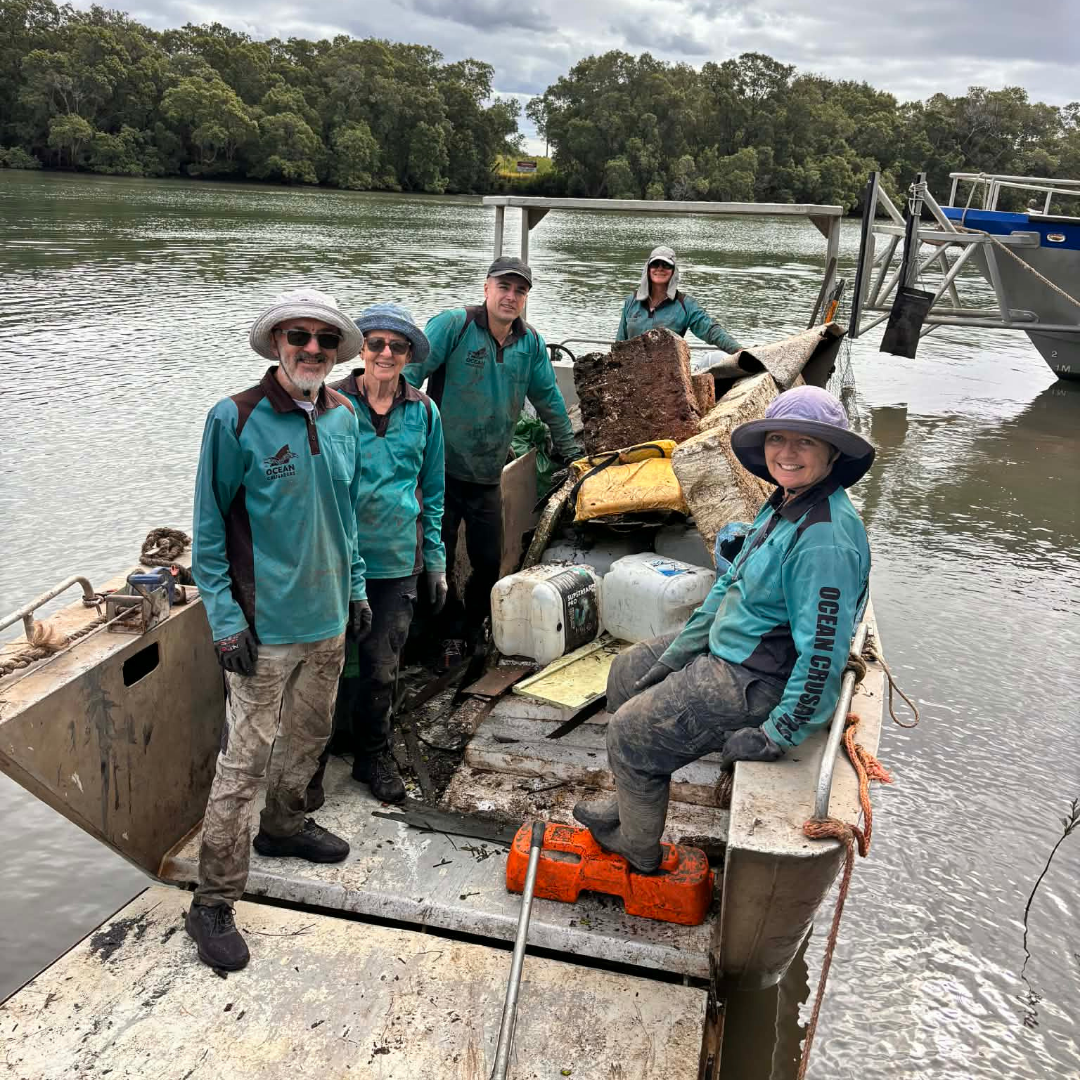
Ocean Crusaders Foundation
For almost a decade, Ocean Crusaders Foundation has been removing rubbish from Brisbane’s waterways, protecting wildlife and preventing debris from reaching Moreton Bay.
Using specialised equipment including a 7-metre landing barge, kayaks and a crane truck, they recover litter and debris from rivers, creeks and estuaries that would otherwise be difficult to access. Since 2017, the organisation has removed more than 400 tonnes of waste from local rivers, creeks and estuaries through regular clean-up efforts powered by dedicated volunteers.
Last year alone, Ocean Crusaders removed more than 30 tonnes of debris from Brisbane waterways. For example, a typical plastic water bottle weighs 8 grams. That’s the equivalent of 3,400,000 bottles collected.
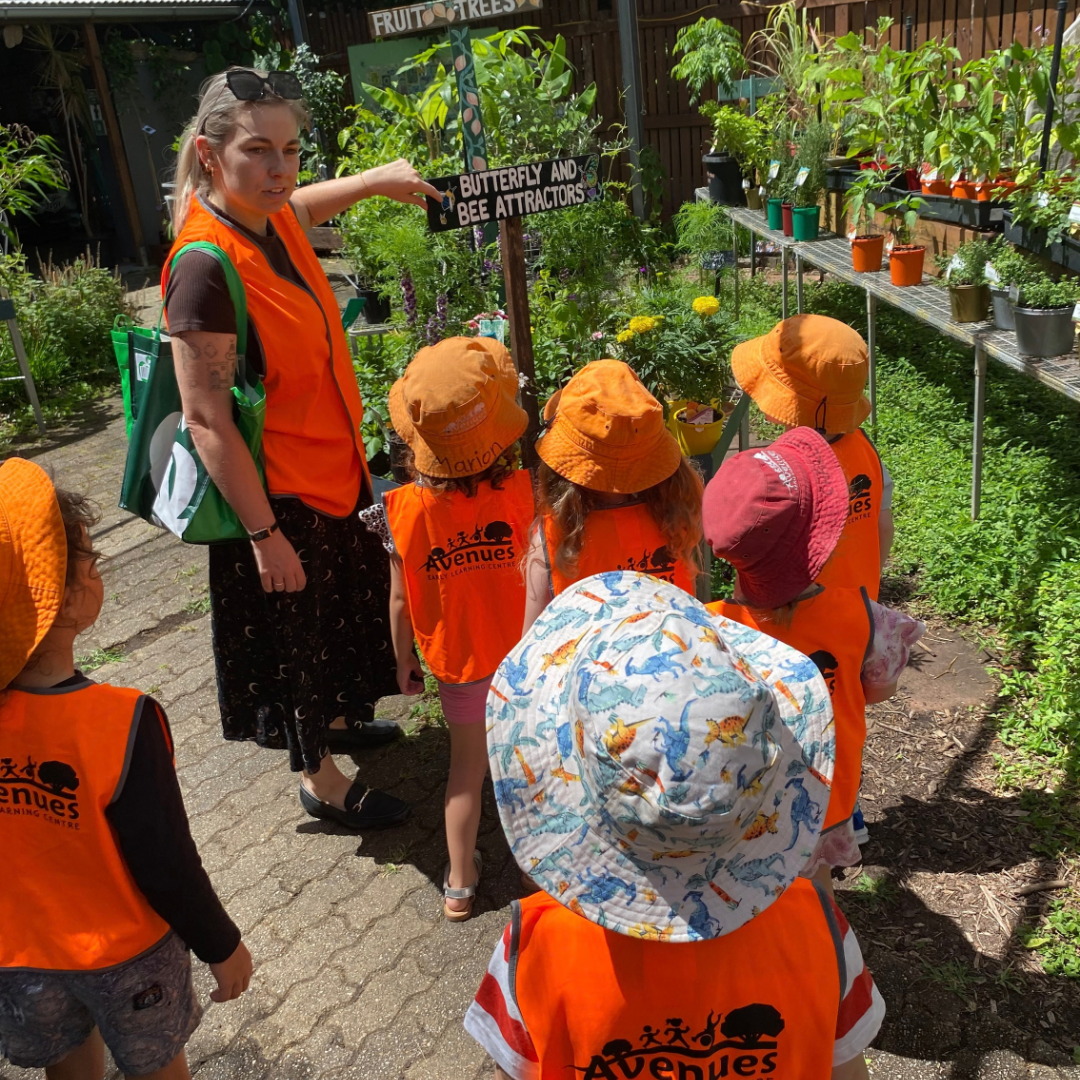
Avenues Early Learning Centre Bowen Hills
How do you create a thriving garden when you’re short on space? With PVC pipes, of course. Rather than using a large compost bin, Avenues Early Learning Centre in Bowen Hills have developed unique composting tubes, made from recycled PVC pipes.
The kids save their everyday food scraps from home, and also collect scraps from the onsite kitchen, and use a blender to make a “plant smoothie” The plant smoothie is then fed to the pipes using a composting tube. The result? The gardens are thriving and nearby kindies are also learning how to compost in small spaces.
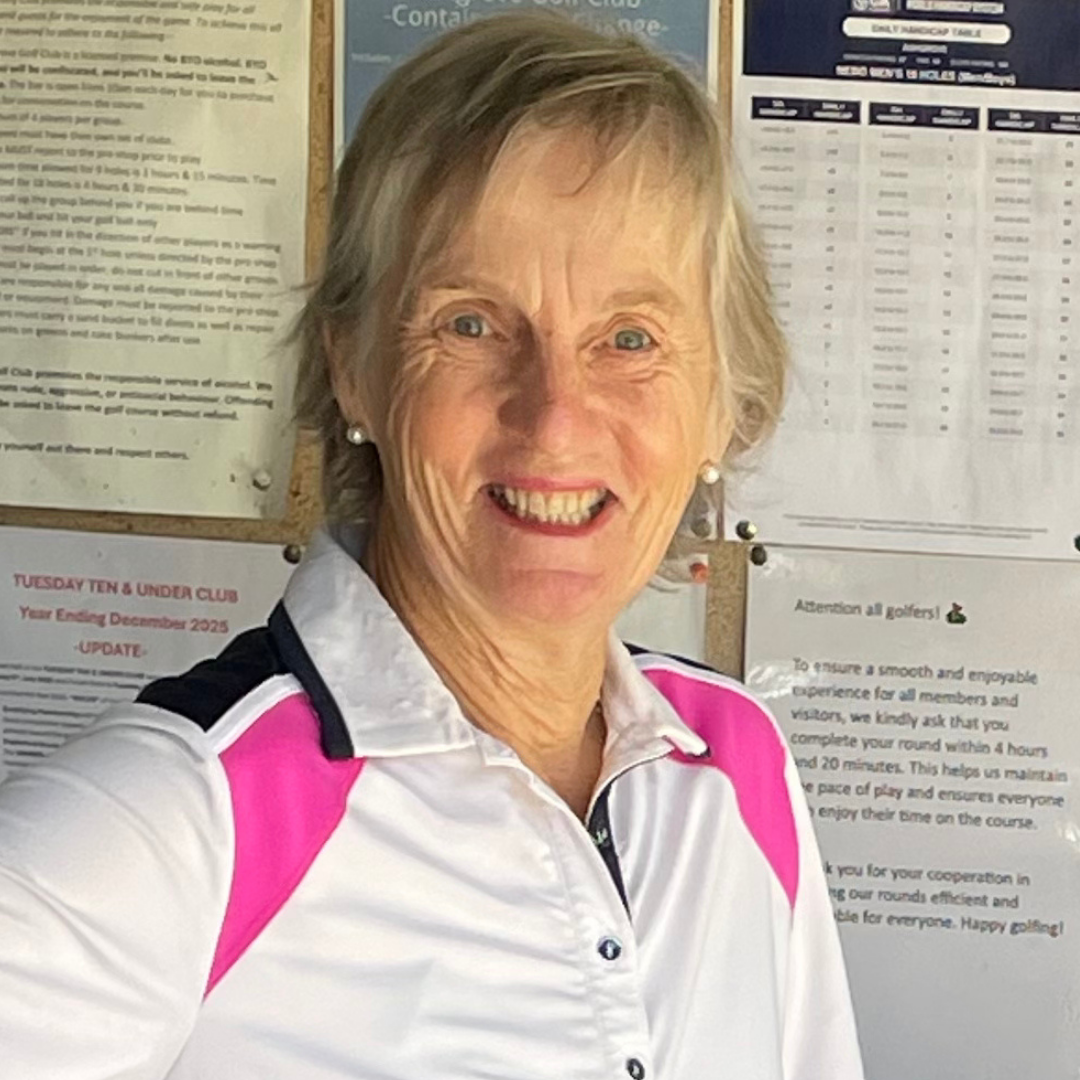
Sue Moller
Through practical recycling, reuse and composting initiatives, Sue Moller has helped divert thousands of items from landfill while inspiring her community to embrace more sustainable habits.
At Ashgrove Golf Course, Sue has led Queensland's first golf ball recycling initiative, collecting more than 3,000 golf balls for recycling, with 1,500 already sent for shredding and a further 2,000 cleaned and made available for junior and women's golf programs. She has also coordinated the recycling of many kilograms of broken golf tees, recovered more than 70,000 cans and bottles through Container for Change.
Sue also helps coordinate composting and gardening programs at The Gap State School, giving students hands-on opportunities to learn about sustainability and resource recovery.
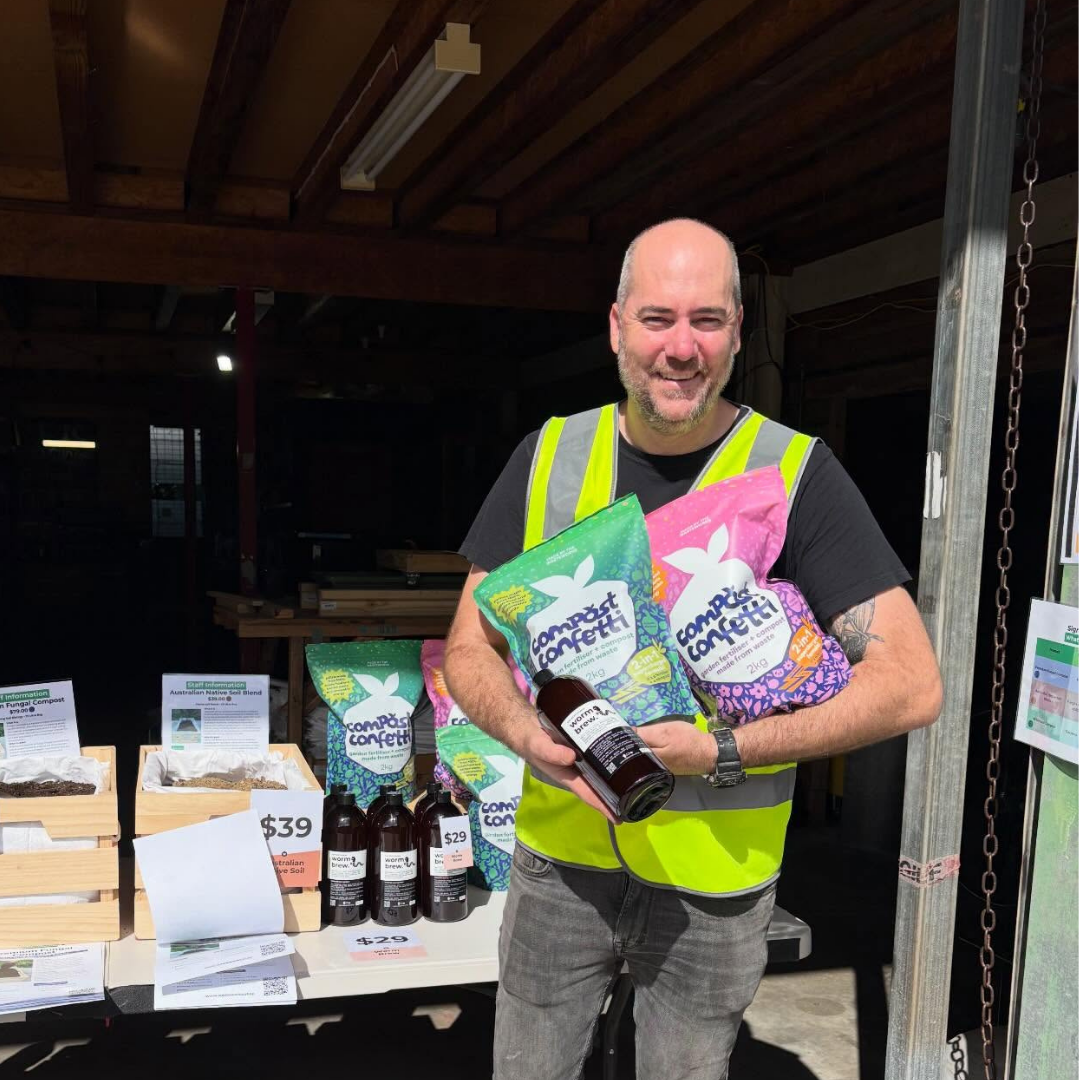
Finn Biogas – The Wasteworks
What happens when organic waste is treated as a resource instead of a disposal problem? Through The Wasteworks, Finn Biogas transforms food and green waste into high-quality compost, soil blends and organic fertilisers, helping return valuable nutrients back to the soil.
Using locally developed Compost-O-Pod technology, the organisation processes green waste from Brisbane City Council and food waste from the Brisbane Markets into products that support healthier gardens, farms and landscapes.
This year, they also expanded the product range from compost production into a suite of recycled-organic products including All Natural Compost, Fungal Compost, Australian Native Soil Blend, Compost Confetti and Worm Brew.
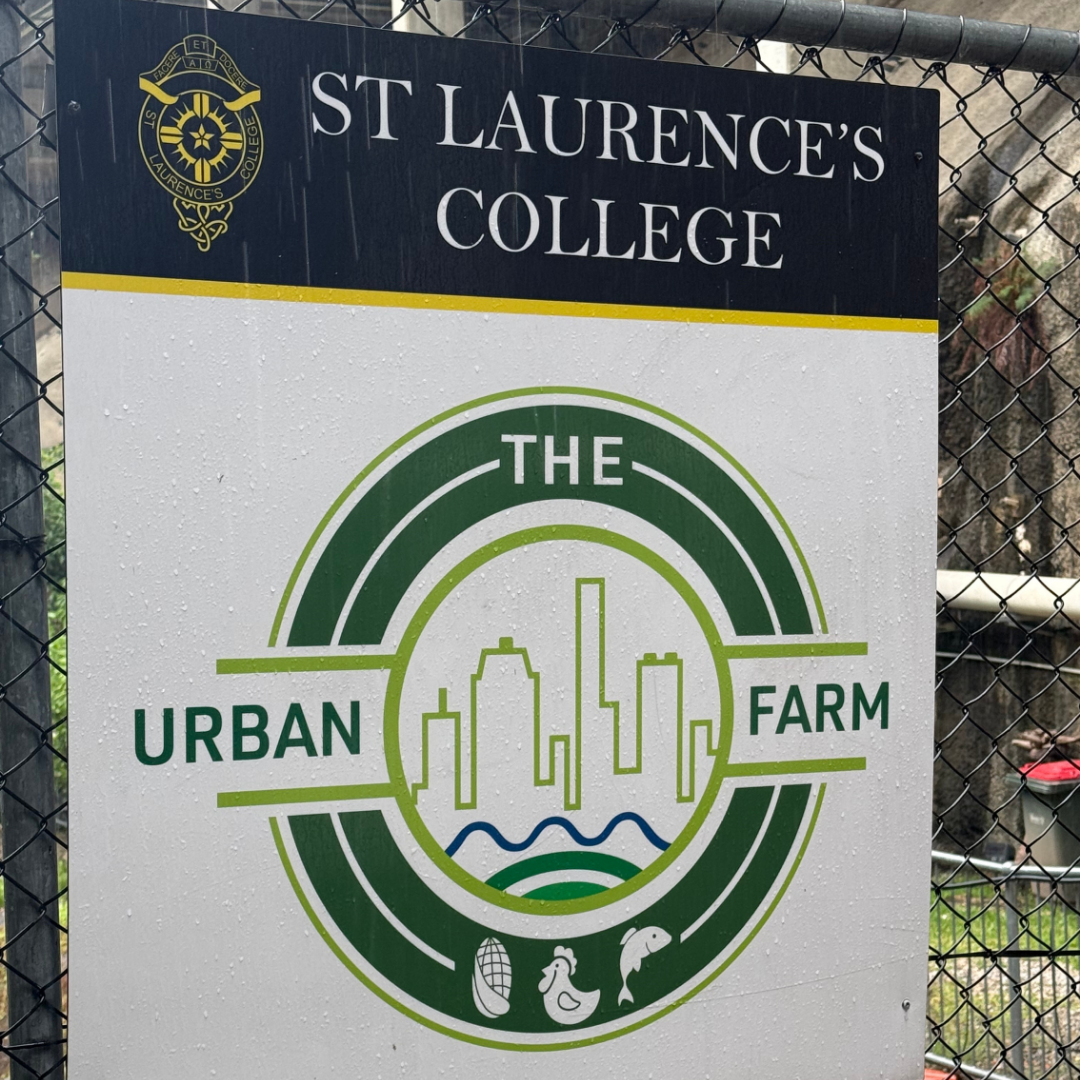
St Laurence’s College Urban Farm
At St Laurence’s College Urban Farm, students are learning to view waste as a resource in the wrong place. For more than a decade, students have collected food scraps, leaf litter, prunings and other garden organics and transformed them into valuable resources that support the farm’s thriving food production systems.
In 2026, students expanded the initiative by building a dedicated green waste station from repurposed pallets. Combined with the farm’s unique worm farming system, built from four recycled bathtubs, the project turns organic waste into mulch, worm castings and liquid fertiliser that improve soil health and reduce the need for purchased products.
Around 30 students help maintain the systems throughout the year, gaining hands-on experience in resource recovery, composting and circular economy principles. The Urban Farm also shares these ideas with the wider community, welcoming hundreds of visiting students each year and demonstrating how schools can turn waste into a valuable resource.
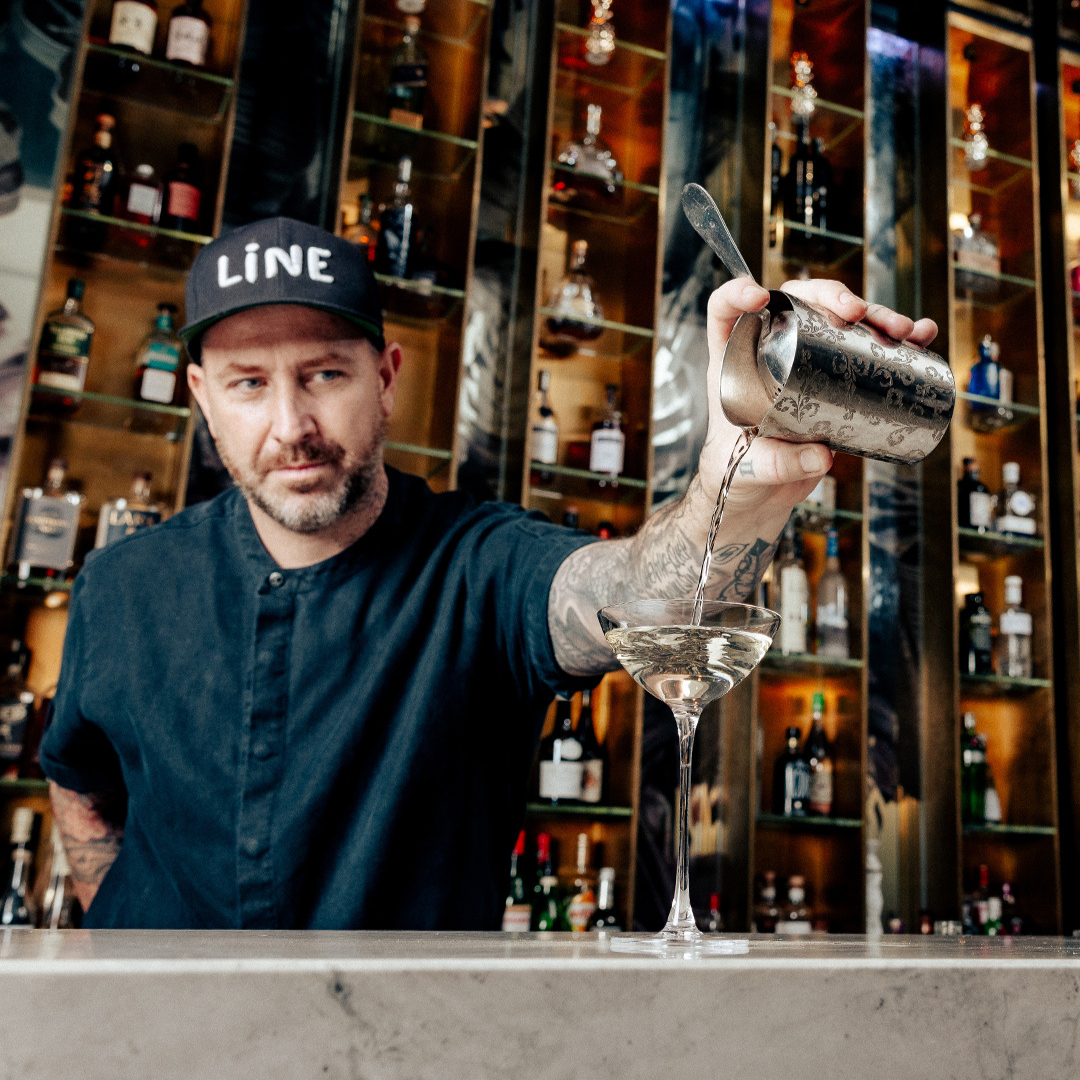
W Brisbane
Rather than treating waste as a by-product of operations, the W Brisbane has embedded circular economy principles across every department. Between July 2025 and June 2026, the hotel diverted more than 1 million kilograms of waste from landfill, achieving a waste diversion rate of 37.6 per cent.
The program combines waste avoidance, recycling, resource recovery and reuse initiatives. More than 63,900 containers were collected through Containers for Change, raising $6,390 to reinvest in future sustainability projects. Surplus food is redirected to support vulnerable communities through partnerships with OzHarvest, while unavoidable food waste is processed into agricultural products rather than sent to landfill. Hard-to-recycle plastics are also repurposed into durable new products through a partnership with Defy Design.
With sustainability champions embedded throughout the business and up to 350 employees participating, the program has created a culture where environmental responsibility is part of everyday decision-making.
Send On Upcycling
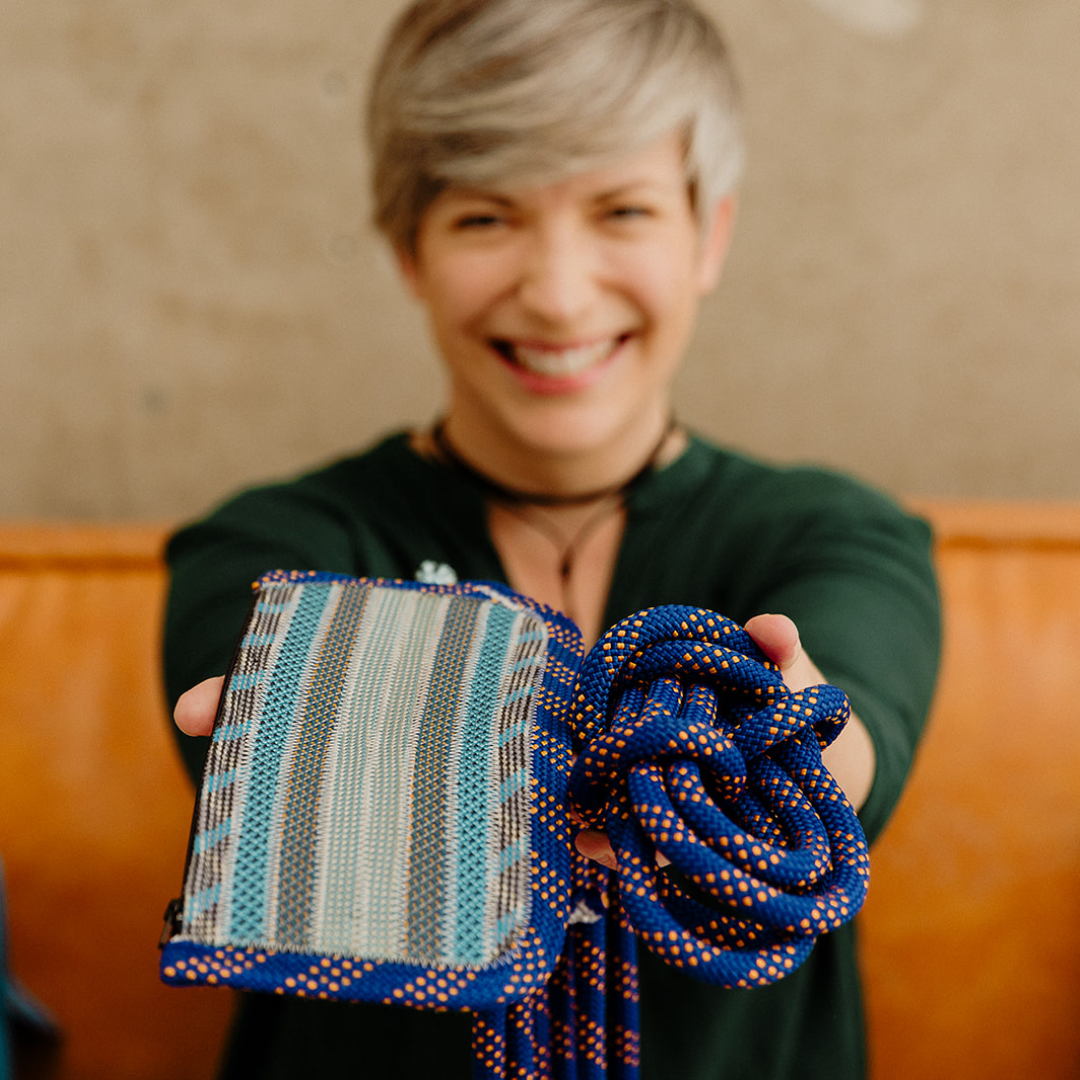
What happens to climbing ropes, harnesses and helmets once they're no longer safe to use? Through Send On Upcycling, Tegan Luker is turning these hard-to-recycle items into functional new products.
Using only upcycled, reclaimed and second-hand materials, Tegan transforms retired climbing equipment into new creations while also running a dog lead recycling program that recovers components from old collars, leads and harnesses. In 2025-26 alone, Send On Upcycling diverted 4,520 metres of climbing rope, 287 harnesses, 45 helmets and more than 760 dog leads, collars and harnesses from landfill.
By partnering with climbers, schools, community organisations and other sustainability-focused businesses, Send On Upcycling is helping people see waste differently and demonstrating the value of creative reuse.
Avenues Early Learning Centre Runcorn Heights
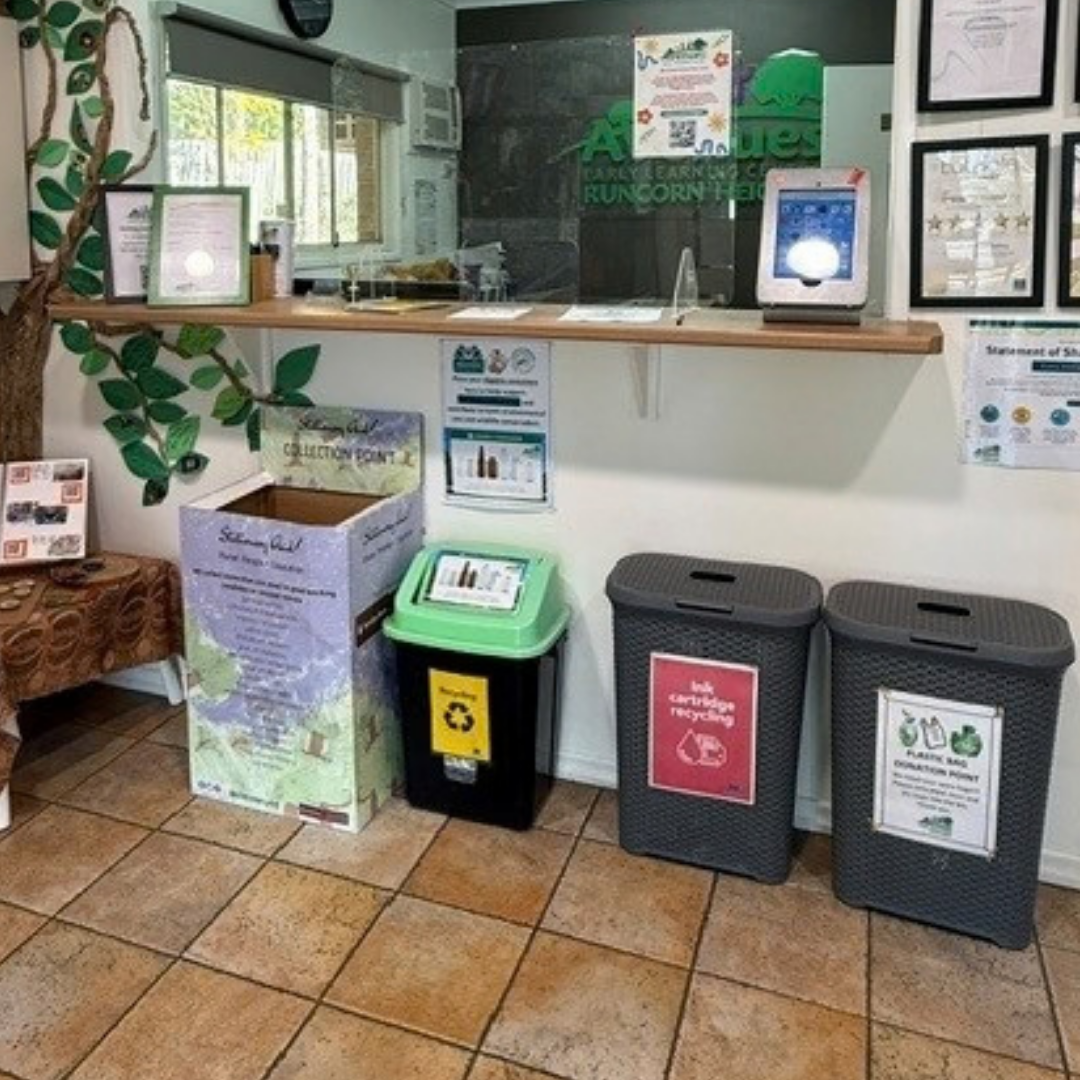
What do you do with unwanted toys, clothes or household goods? Give them to your neighbour! That’s what more than 120+ families and 25+ educations and staff are doing as part of the SWOP Shop at Avenues Learning Centre, Runcorn Heights. The SWOP Shop gives unwanted items a new lease on life by allowing families to exchange goods with one another, creating a valuable community resource.
The SWOP Shop is just one of the many sustainability initiatives run by the kindy. It also maintains recycled-material street libraries, edible and bush tucker gardens, a worm farm, and hands-on food-growing experiences, helping children learn about caring for the environment from an early age.
Reverse Garbage
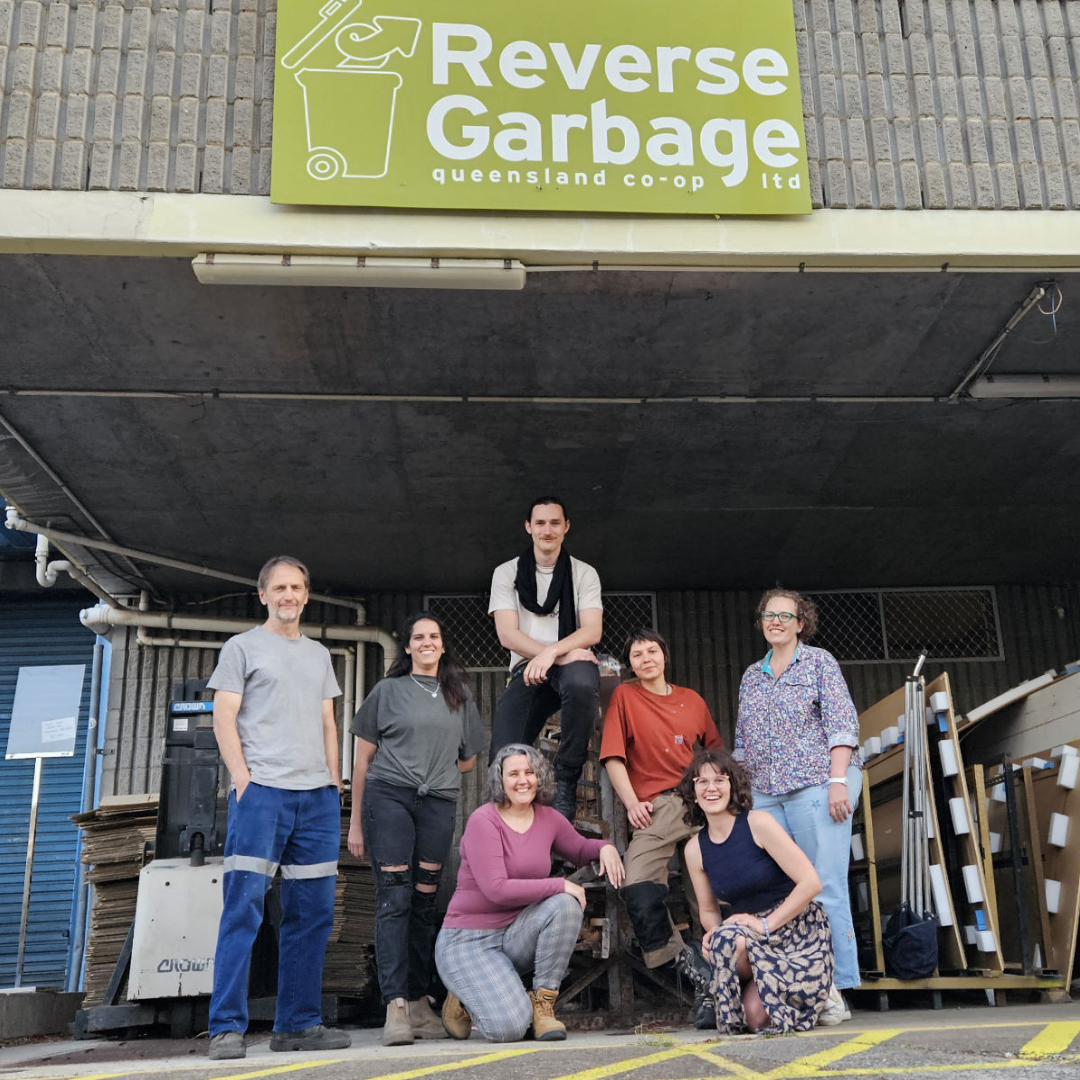
What if the materials headed for landfill became the building blocks for creativity? For more than 25 years, Reverse Garbage has been collecting industrial offcuts and quality second-hand materials and giving them a second life through its Woolloongabba warehouse.
By connecting businesses with educators, artists, makers and community groups, Reverse Garbage provides a practical alternative to disposal while making sustainable choices more affordable and accessible. Through workshops, events and educational programs, the organisation also helps people rethink waste and discover the value of reuse.
In 2025–26, Reverse Garbage diverted around 960 business waste bins from landfill, equivalent to approximately 230 cubic metres of material.
Harvest Cook Create Northside Community Swap & Melinda Adams
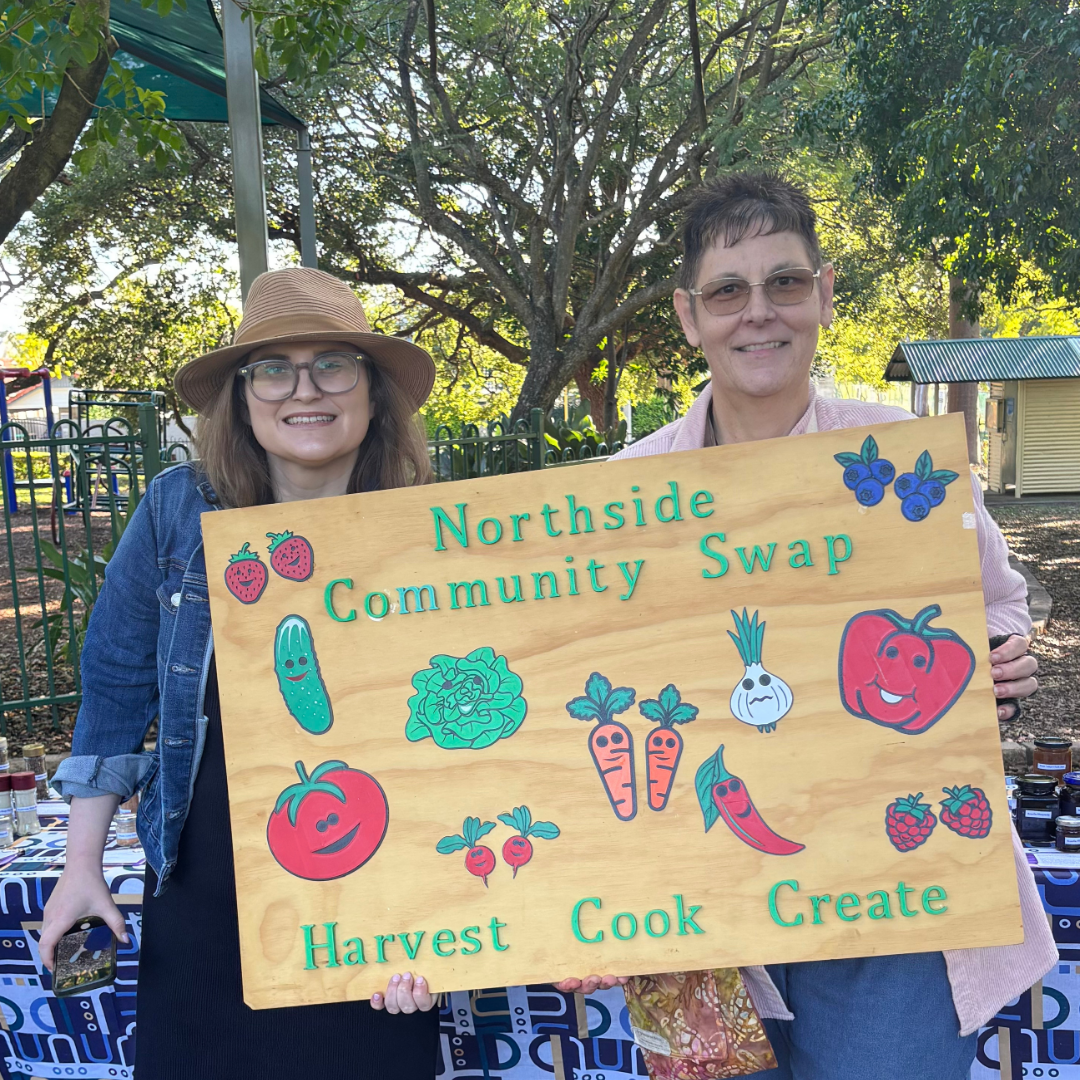
What started as a simple produce swap has grown into a thriving community where people share homegrown produce, homemade food, handmade creations and upcycled treasures, all without money changing hands. Around 50 people now attend the monthly swaps, supported by an online community of almost 1,900 members.
The initiative encourages people to see waste differently, transforming surplus food, old clothing, containers, fabric and other unwanted items into something practical or beautiful. From reusable bags made from old shirts to planters created from discarded pots, the swap showcases creative ways to keep resources in use for longer.
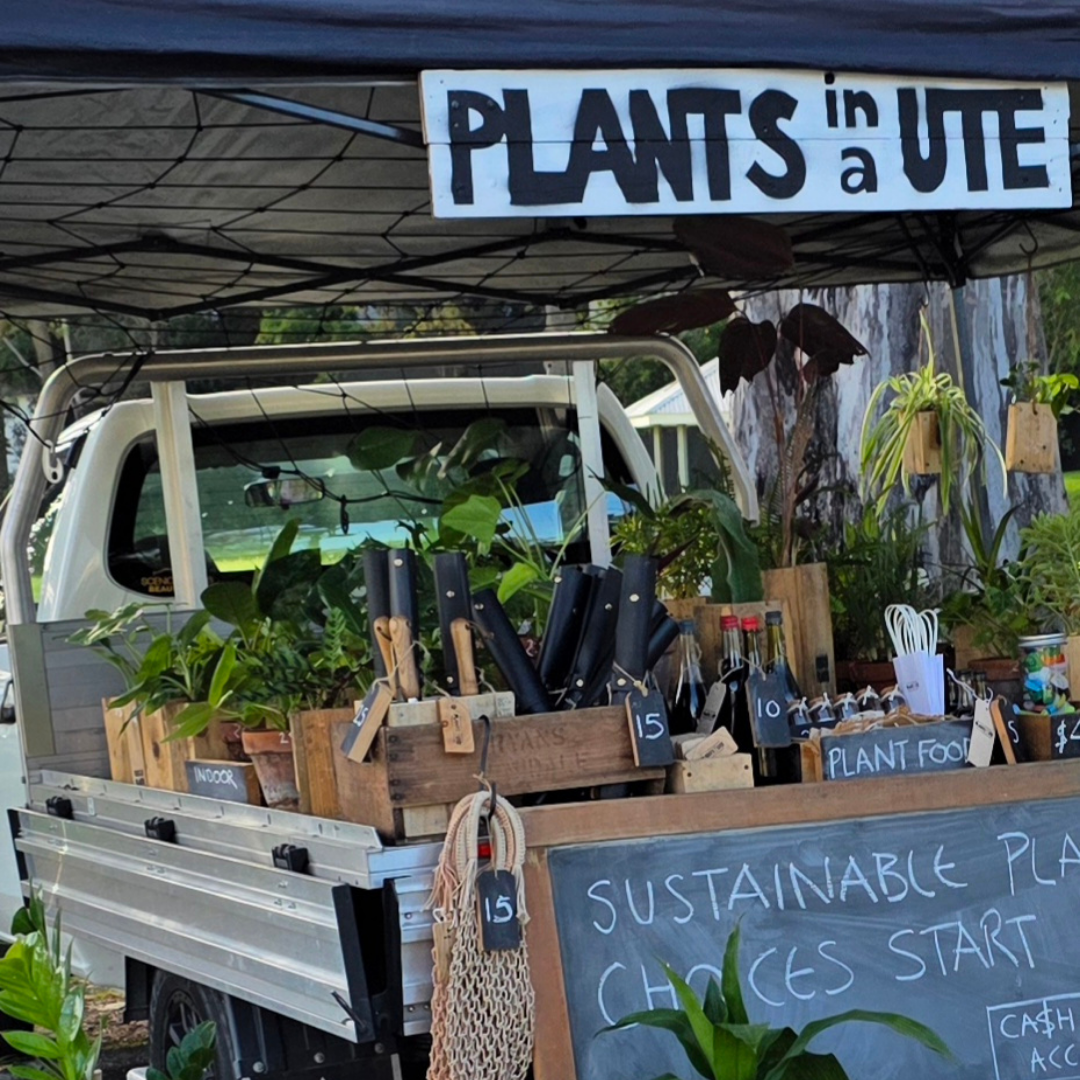
Plants in a Ute
Plants in a Ute rescue abandoned plants, restores them to health and rehomes them, helping reduce waste while encouraging people to rethink traditional plant purchases.
The business also repurposes discarded timber pallets into unique plant pots, diverting more than 100 pallets from landfill last year alone.
Beyond rescued plants and recycled pots, Plants in a Ute creates compost, plant food and worm products from household food scraps, coffee grounds, tea bags and eggshells. Through markets, workshops and community engagement, the business is helping more people discover practical ways to reduce waste in their everyday life.
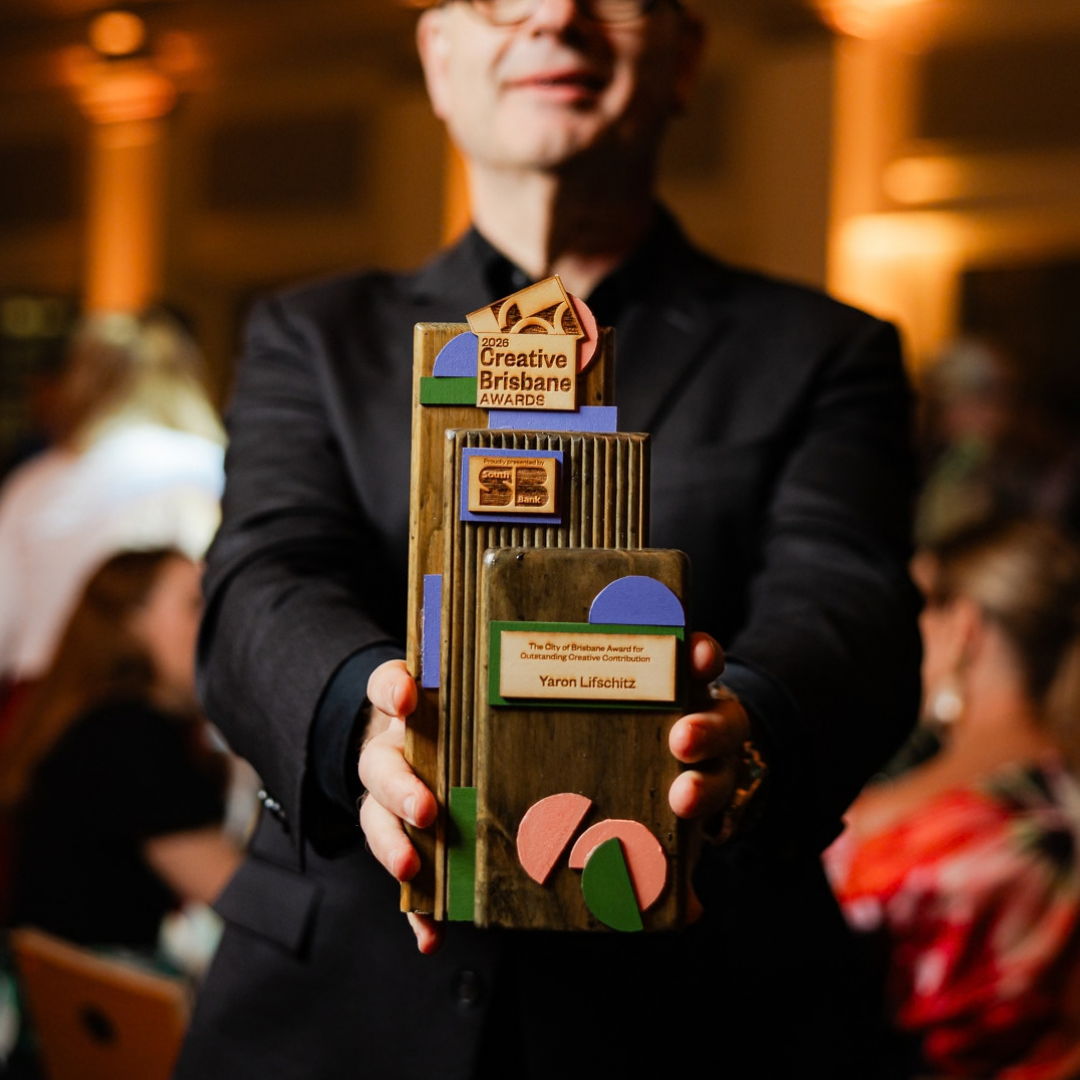
Bloom Cycle
Proving that sustainability and social impact go hand in hand, Bloom Cycle launched a business that not only diverts waste from landfill but also creates jobs for people with disabilities. By rescuing donated timber that would otherwise become waste, Bloom Cycle creates handcrafted trophies, awards and recognition products.
Since launching in 2024, Bloom Cycle has diverted more than 1.5 tonnes of timber from landfill while creating meaningful paid employment opportunities for people with disability and lived experience. Each product is carefully crafted from reclaimed Queensland timber, giving new life to discarded materials and demonstrating the value of a circular economy.
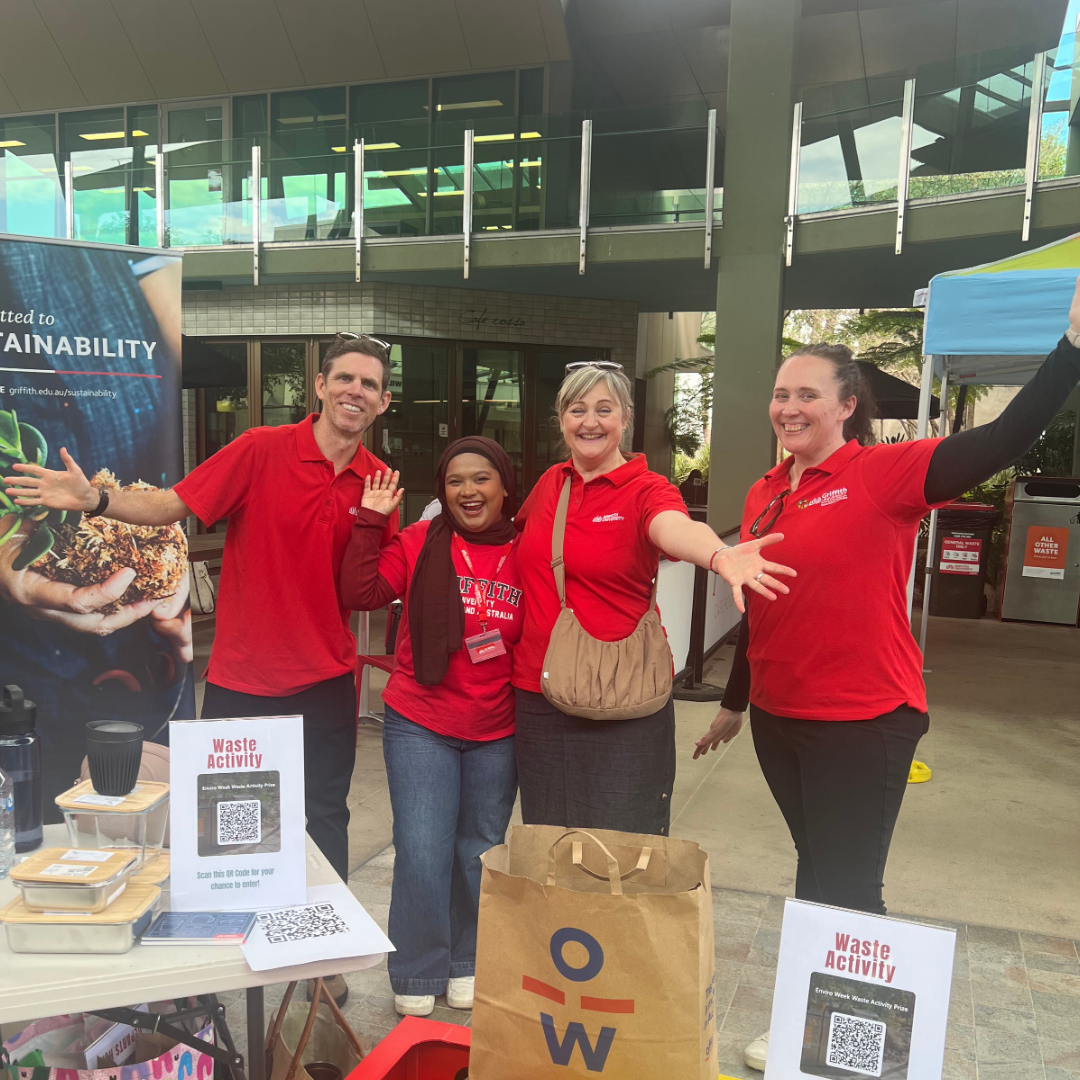
Griffith University
Griffith University is taking action to make single-use plastics a thing of the past. As part of its commitment to eliminate single-use plastics from food outlets, catering and non-medical consumables by 2030, the university has partnered with Plastic Free Places SEQ to embed waste avoidance and circular economy principles across its Nathan campus.
Working closely with retailers, students and staff, Griffith has introduced reusable cup incentives and transitioned beverage offerings away from plastic packaging where possible. Since joining the program in 2024, the university has eliminated more than one million single-use plastic items from its food and beverage operations.
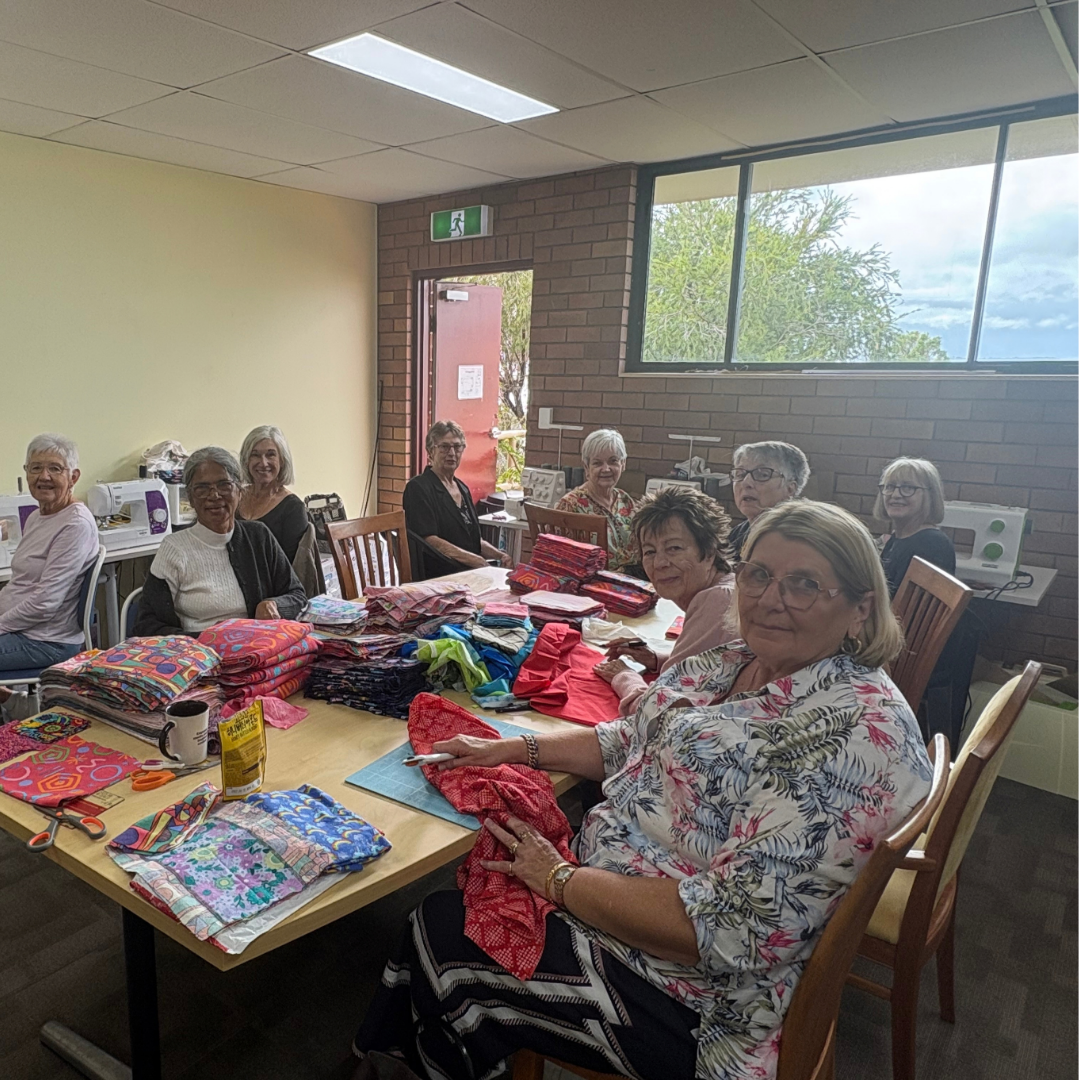
Days for Girls Wynnum Manly Satellite Group
Days for Girls is helping reduce waste while improving access to essential menstrual health products for women and girls in Australia and the Pacific. The volunteer-led group creates reusable feminine hygiene kits that are fully washable and designed to last between three and five years, helping to reduce reliance on disposable products.
Last year alone, they have produced 2,500 kits, preventing more than 125,000 disposable hygiene products from entering landfill. Alongside creating the kits, volunteers provide health education and support for women experiencing hardship, including those in regional communities and areas affected by natural disasters.
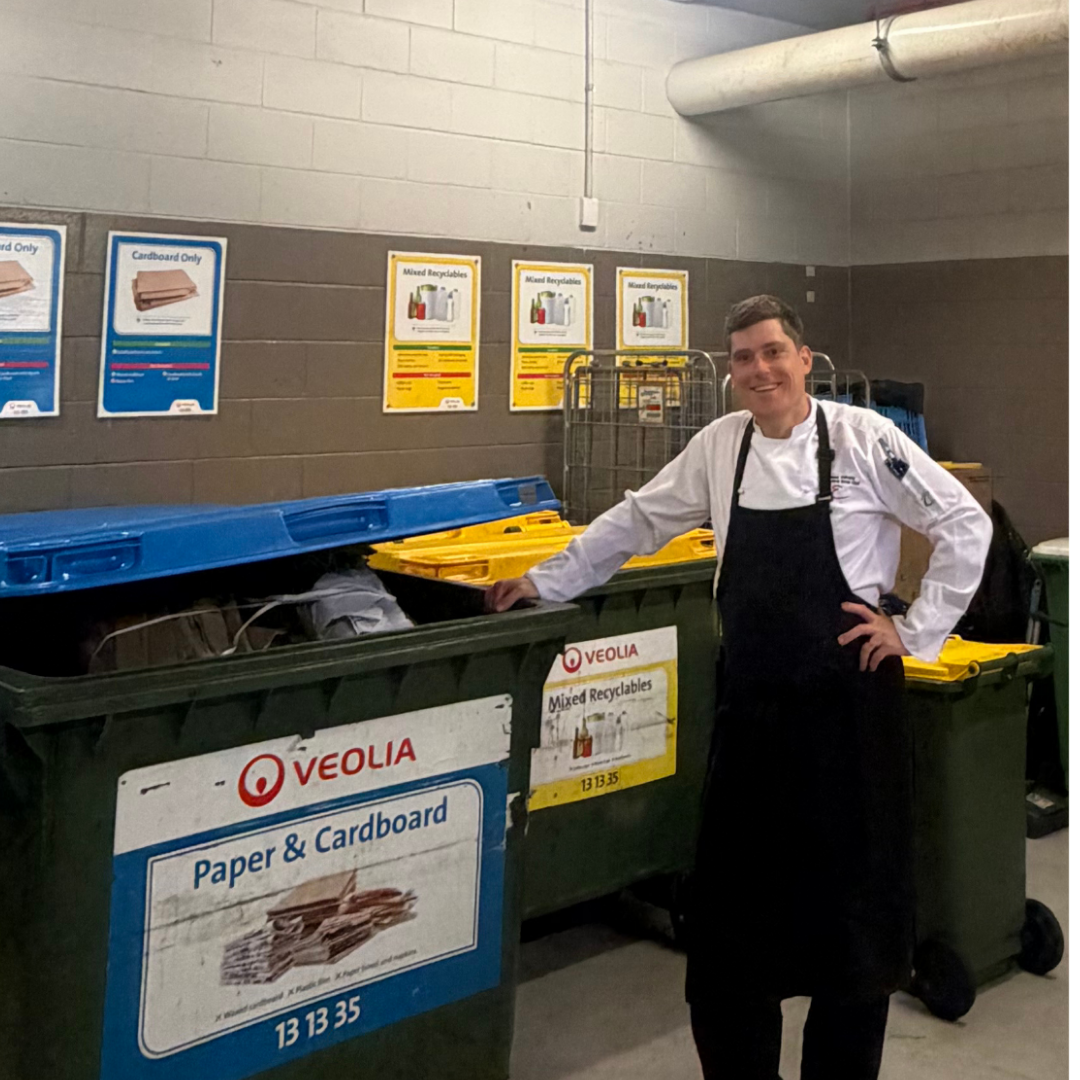
Emporium Hotel South Bank
What could be recovered, reused, redirected or prevented from becoming waste in the first place? What begun as a simple question turned into a whole-of-hotel waste transformation project.
Today, Emporium Brisbane operates eight dedicated waste streams, including organic food waste, paper and cardboard, mixed recyclables, Containers for Change, oyster shells, e-waste, batteries and polystyrene.
By treating waste as a resource rather than a disposal problem, the hotel is reducing landfill while creating new pathways for recovery, recycling and reuse. From repurposing oyster shells for reef restoration to recovering valuable materials through specialised recycling programs, sustainability is now embedded throughout hotel operations. In the last year alone, they recovered 15.43 tonnes of organic food waste, 31.75 tonnes of paper and cardboard and 7.24 tonnes of mixed recyclables.
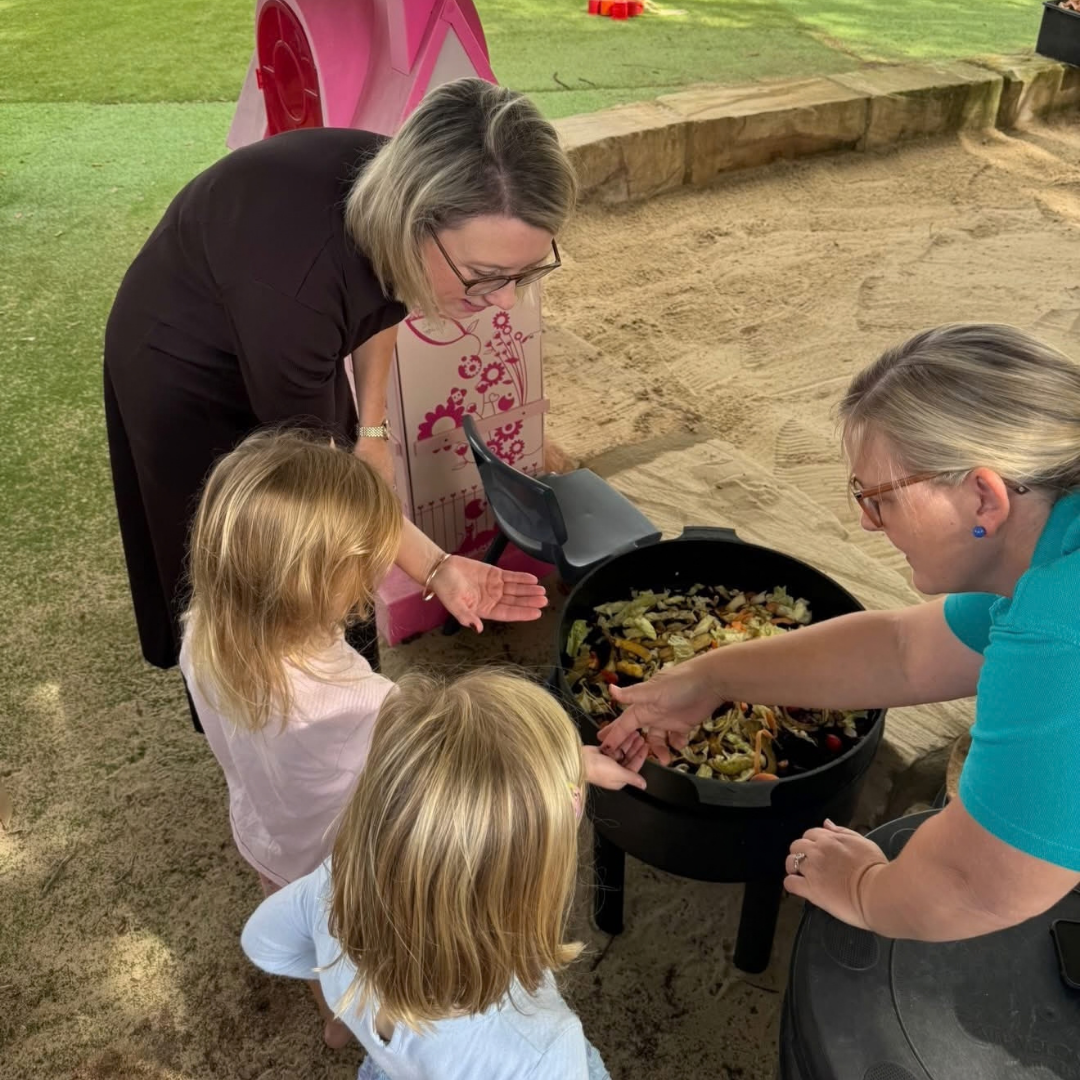
Canossa Kindergarten
As Brisbane’s first Waste Smart Kindergarten, Canossa Kindergarten makes sustainability part of everyday learning. Kids sort waste, feed food scraps to two worm farms and a compost tumbler and use the resulting compost and worm castings to help grow thriving vegetable and native gardens.
The kindergarten also gives new life to donated materials through creative classroom projects, while supporting a range of community initiatives including Baby Give Back clothing donations, Containers for Change, coffee pod recycling, Books for Kids and The Good Box.
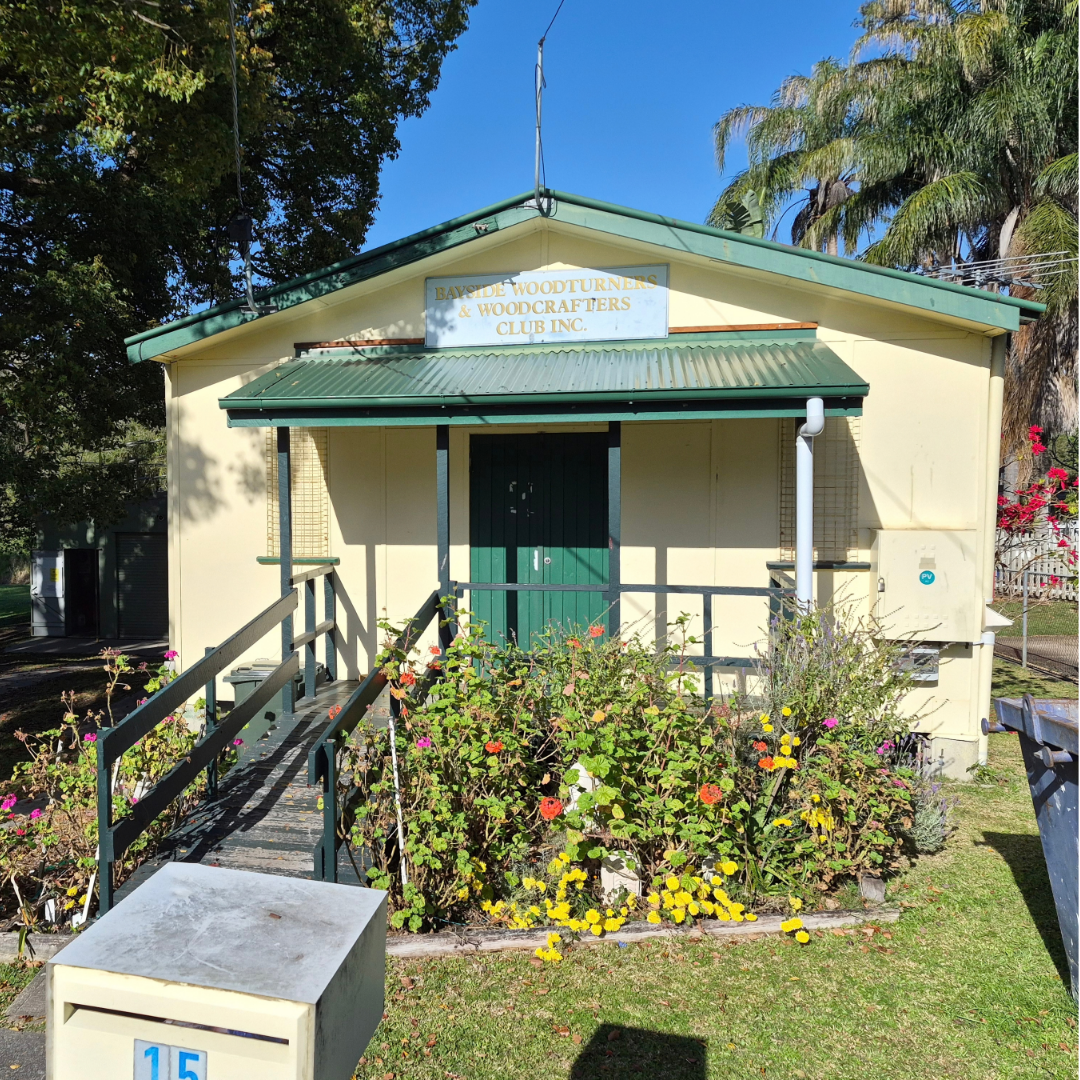
Bayside Woodturners and Woodcrafters Club Inc
The Bayside Woodturners is a group of passionate “Woodies” who repurpose discarded timber into creative items for the community.
Using skills such as woodturning, carving, and toy making, members repurpose timber that might otherwise end up in landfill. Following severe weather events, the club has also helped redirect fallen trees from waste streams, turning them into useful and creative products.
With more than 150 members, the club supports local childcare and kindergarten centres by donating handcrafted wooden toys and other items.
Ashgrove State School
Trash Free Tuesday, the Great Ashgrove Clean Up, weekly gardening club and tree planting days are just some of the creative projects run by Ashgrove State School to make sustainability fun and engaging for all students. Meanwhile, their Green Team, a group of passionate young people, have led waste audits, class challenges and Containers for Change, managing to achieve a zero-waste result for Trash Free Tuesday.
They have also replaced single-use soy sauce fish with a refillable pump bottle, eliminating thousands of individual plastic containers from going to landfill.
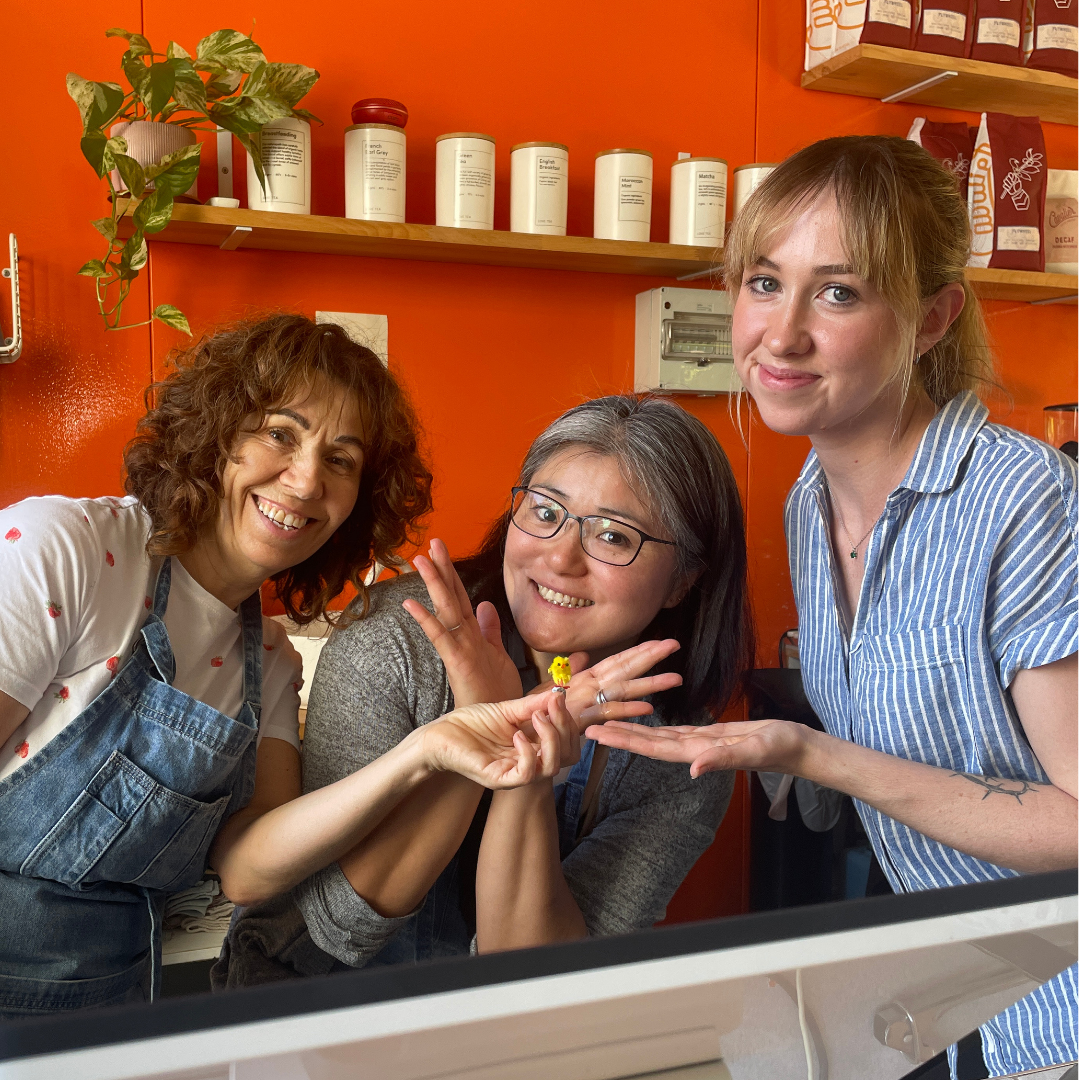
Apricot Coffee
Apricot Café in Wavell Heights is a coffee shop on a mission to make sustainable choices accessible and part of everyday café culture.
Their one-of-a-kind Mug Library transforms unwanted old mugs into sustainable takeaway cup options and diverts more than 3,277 single-cups from landfill annually. This creative circular system reduces single-use waste, while also giving unwanted mugs a new life.
The café also offers home-compostable takeaway cups and has served more than 10,000 takeaway drinks in reusable or compostable cups since the start of the year.

Tiny Legends Child Care Centre
At Tiny Legends Child Care Centre, sustainability is part of everyday learning. Led by a dedicated Eco Education Officer, the centre has embedded waste reduction, recycling and environmental education into daily activities, helping children develop lifelong sustainability habits.
Children sort food scraps into compost bins, worm farms and animal feeding systems, while gardening, caring for animals and participating in nature-based programs that connect them with the environment.
The centre also extends sustainability efforts beyond its gates through community recycling initiatives and sharing worm tea with families for their own worm farms at home.
The Creative Collective Brisbane
The Creative Collective Brisbane is helping build a culture of repair, reuse and upcycling. Bringing together a community of around 1,000 sustainability advocates, the group encourages people to buy second-hand, extend the life of everyday items and rethink what is considered waste.
Working with local artists, designers and community members, the collective transforms unwanted clothing, shoes and plastics into new products, while helping thousands of preloved items find new homes. Remaining materials are donated to support families experiencing hardship.
Through creativity and community action, The Creative Collective Brisbane is demonstrating how circular economy principles can reduce waste while creating social impact.
The Other Greenbagz
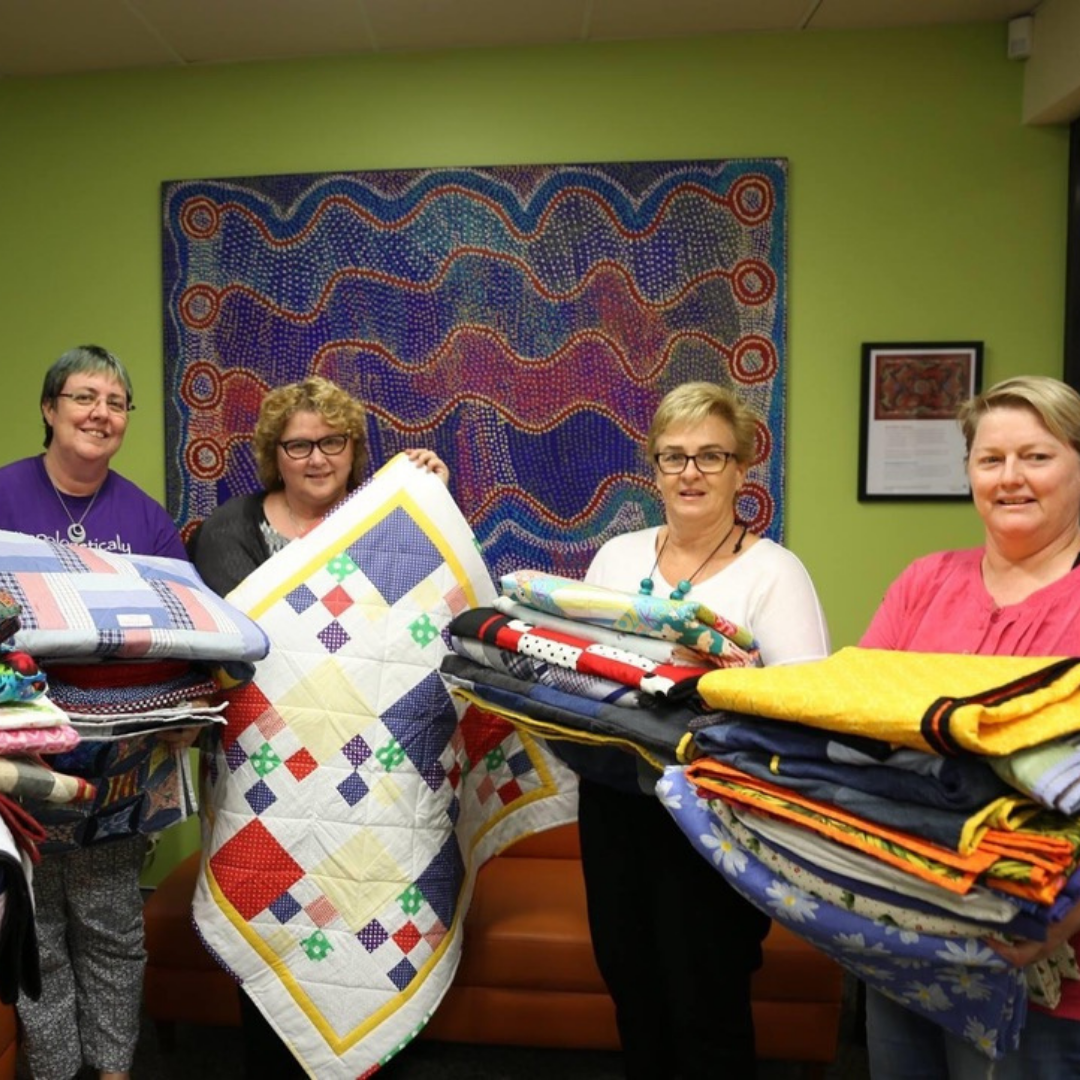
For more than 15 years, The Other Greenbagz has been transforming unwanted clothing and donated fabrics into handmade quilts for people experiencing homelessness, young mothers and others facing hardship. By treating discarded textiles as a valuable resource, the volunteer-led group gives new life to materials that might otherwise end up going to waste.
Volunteers collect, sort and deconstruct donated fabrics, before creatively repurposing them into unique patchwork quilts. Distributed through organisations like Micah Projects and the St Vincent’s palliative care wing, each quilt provides warmth, comfort and dignity to people in need.
During 2025-26 alone, the group produced approximately 120 quilts and baby play mats, supported by an estimated 2,690 volunteer hours.
The Happy Rack
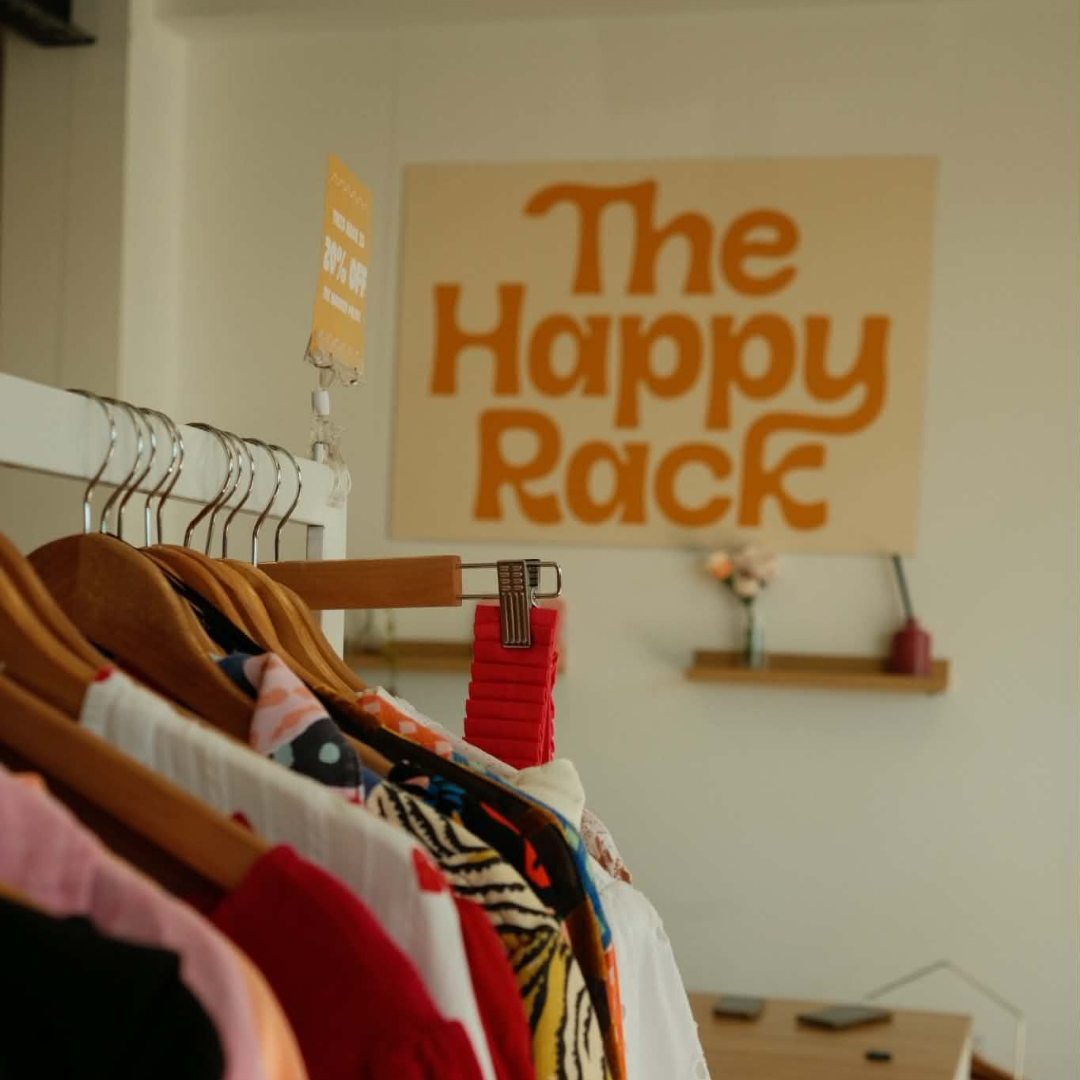
The Happy Rack is helping Brisbane locals give clothes a second life while challenging the culture of fast fashion. Through Brisbane's first dedicated rent-a-rack preloved fashion store, people can sell unwanted clothing in a physical retail space, extending the life of garments reducing waste.
This innovative model allows individuals to rent a rack, sell their clothing and keep 90 per cent of the proceeds. Since opening in July 2026, The Happy Rack has helped rehome more than 5,000 preloved items and returned $86,000 to local sellers.
By turning second-hand shopping into an engaging retail experience, The Happy Rack is helping normalise preloved fashion and encouraging more people to participate in the circular economy.
Street Care Qld Inc
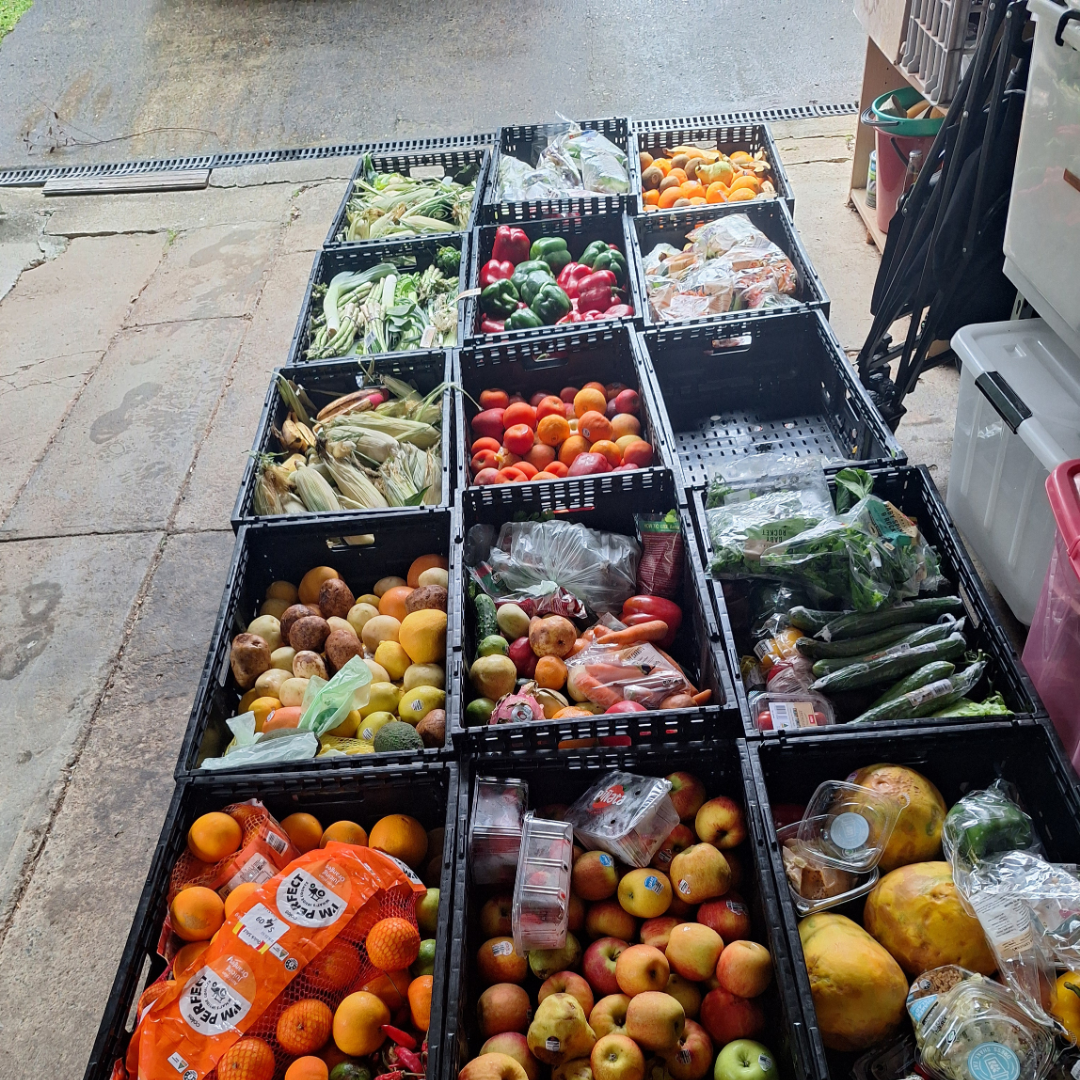
Every week, Street Care Qld rescues up to 2.5 tonnes of surplus food that would otherwise be sent to landfill and delivers it directly to people who need it most. Entirely volunteer-run, they collect bread, fruit, vegetables and pantry goods that larger food rescue organisations often cannot collect, especially on weekends.
Since launching the Nourish Project, Street Care has rescued more than 65 tonnes of food, enough to provide more than 130,000 meals while supporting over 20 schools, charities, community organisations and crisis accommodation providers across Brisbane.
Beyond reducing food waste, Street Care focuses on delivering support to people experiencing hardship through initiatives such as school-based food programs, 24-hour street pantries and direct distribution to people in need.
St Joseph’s Catholic Primary School Corinda
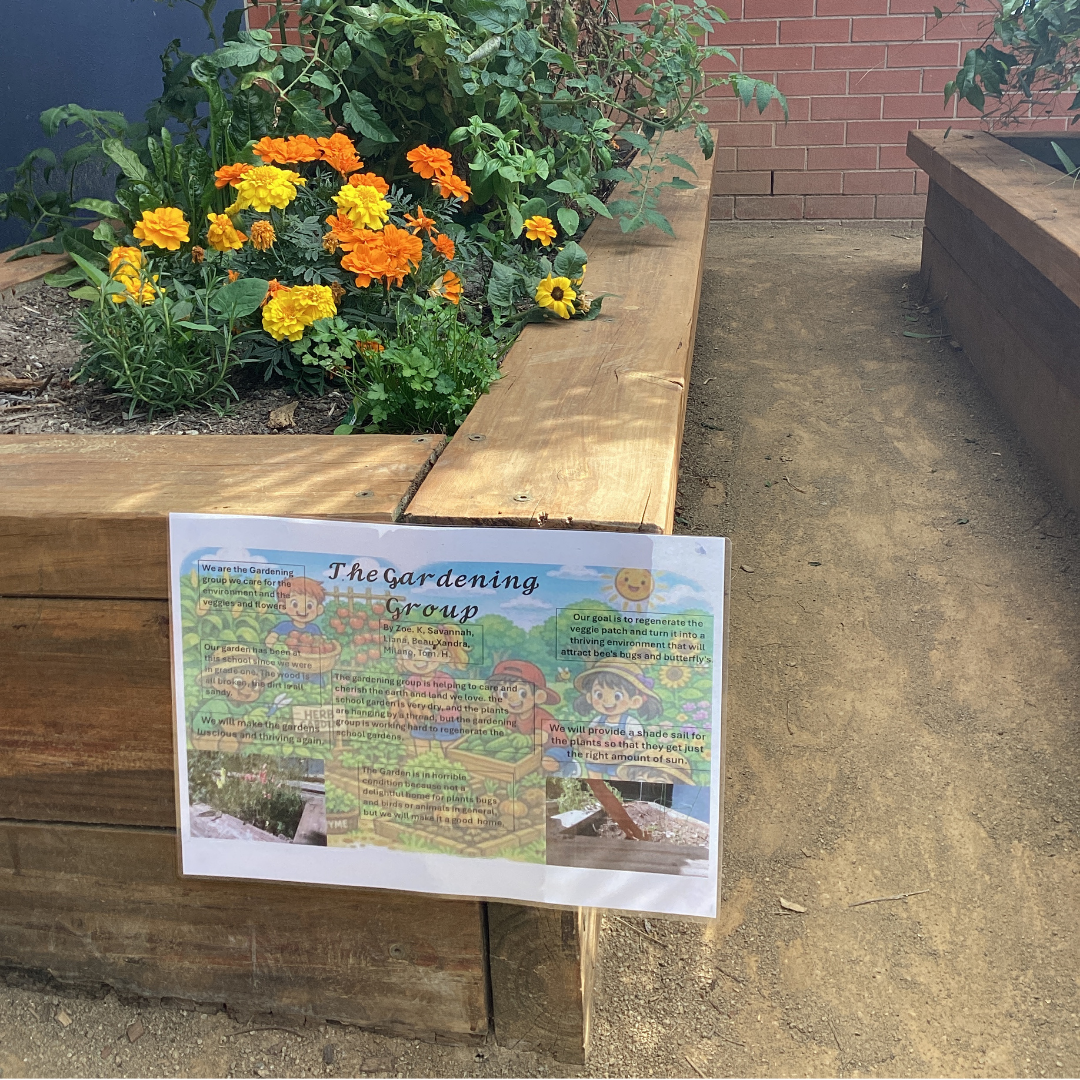
At St Joseph’s Corinda, sustainability initiatives are championed by students. Through the school's Year 6 Project Change initiative, students lead a range of environmental projects that reduce waste, support biodiversity and encourage responsible resource use across the school community.
Student-led groups manage worm farms, herb gardens, native bee hives, recycling programs and wildlife habitat projects, while initiatives such as book swaps and school shoe exchange promote a culture of reuse. Students also collect hard-to-recycle items including batteries, bread tags, pens, plastic lids and old glasses, helping divert valuable materials from landfill.
SJFC Enviro Club
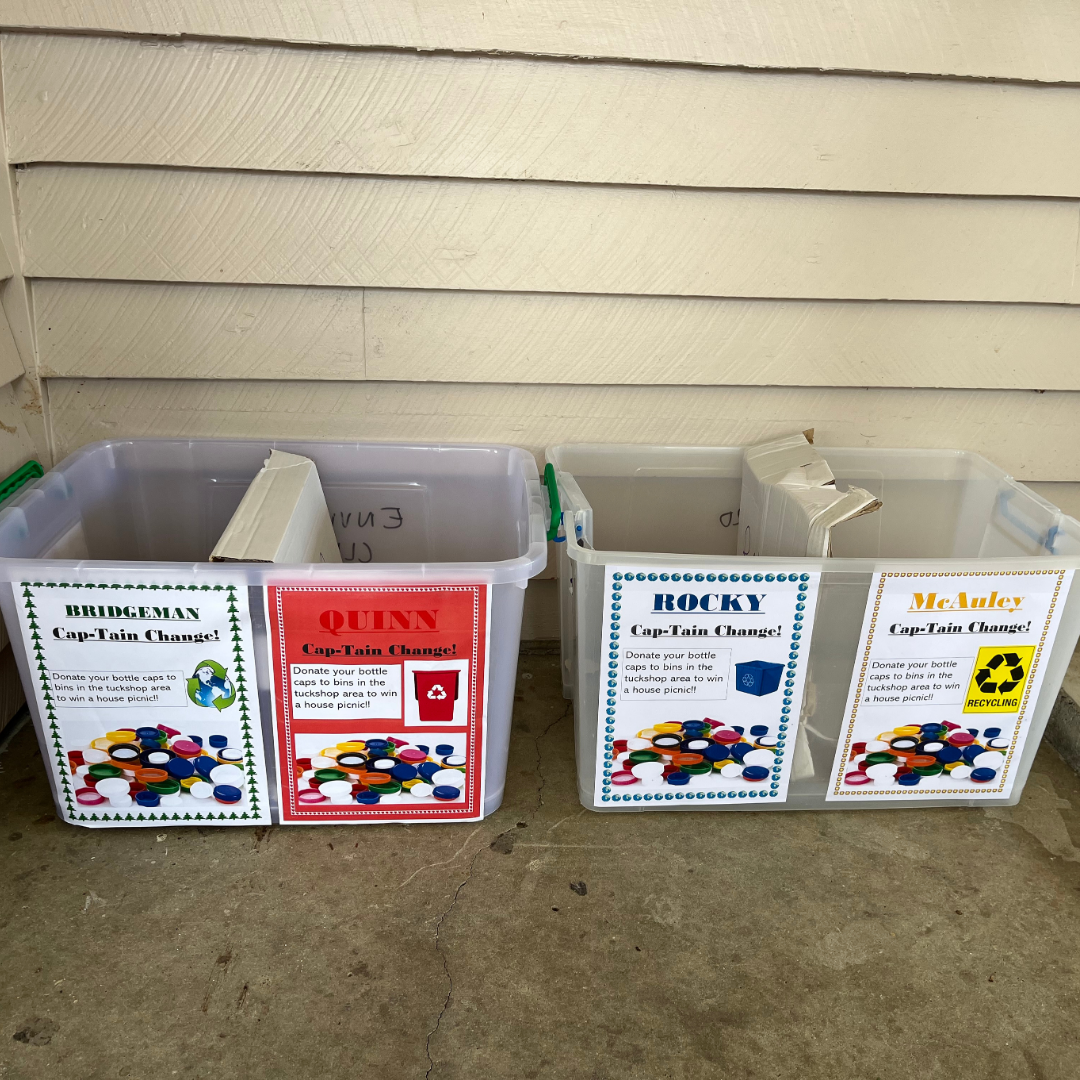
The SJFC Enviro Club is a group of passionate young students who develop practical solutions to the sustainability challenges within their school. Through initiatives like paper recycling, coffee cup recycling and upcycling coffee grounds into handmade body scrubs, students are helping reduce waste while building valuable leadership skills.
One of the club's first achievements was introducing paper recycling bins to every classroom, funded through student-led plant propagation and fundraising. The club also established a partnership with 7-Eleven's coffee cup recycling program, diverting thousands of single-use cups from landfill, while transforming used coffee grounds into products sold at school markets.
ROTATE
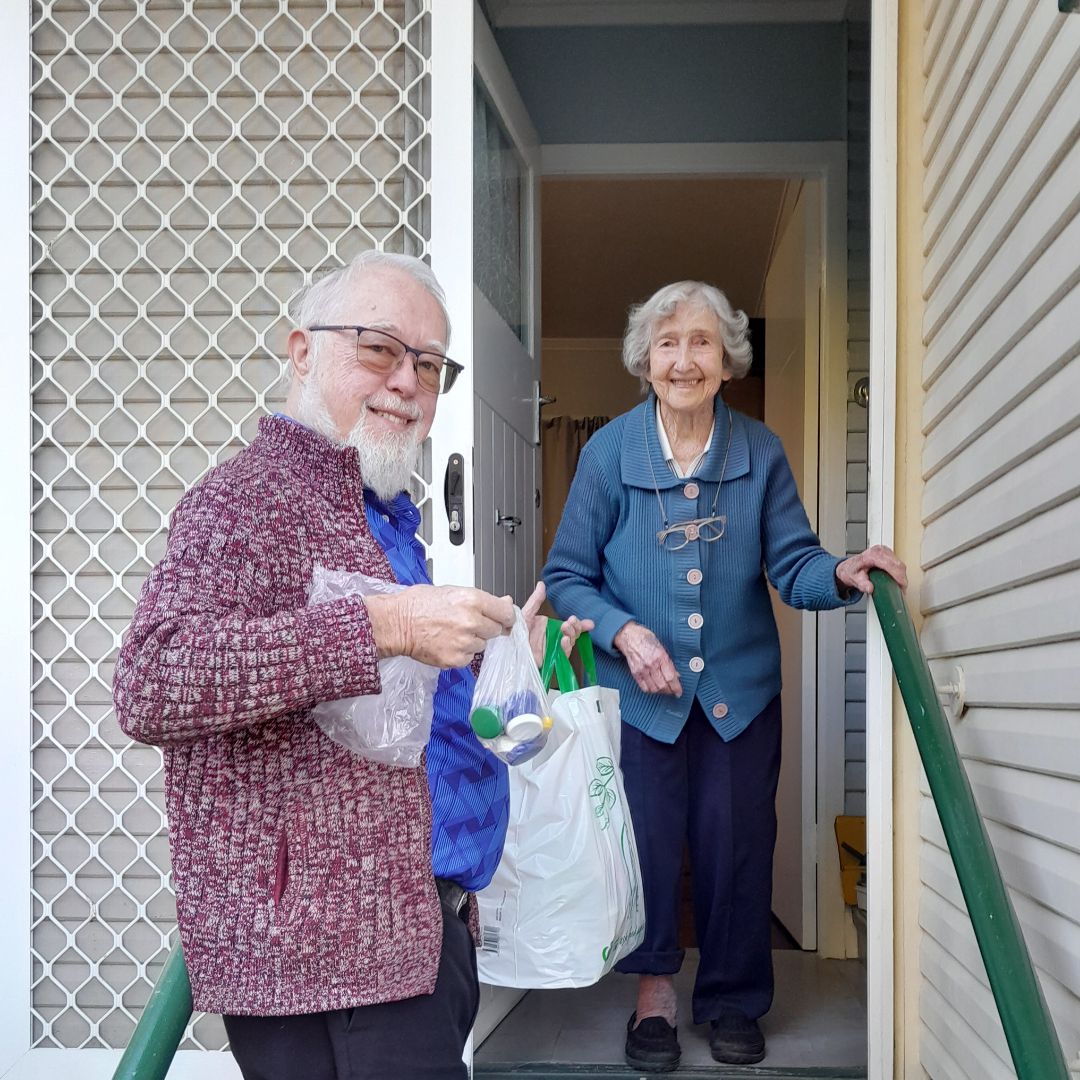
Most people know how to recycle bottles, cans and cardboard. But what about bread tags, bottle caps, pens, blister packs, batteries and old glasses? Through its innovative network of community recycling walls, ROTATE is making it easier for Brisbane residents to keep these everyday items out of landfill.
Run by volunteers through Rotary’s Environmental Sustainability Rotary Action Group (ESRAG), ROTATE collects 14 hard-to-recycle items and redirects them to specialist recycling and reuse programs. Its purpose-built recycling walls, installed in schools, neighbourhood centres and community hubs, provide simple and accessible drop-off points that encourage people to think differently about waste.
In 2025–26, ROTATE expanded from five to 10 recycling walls and added three new collection points across Brisbane. Volunteers contributed an estimated 100 to 120 hours each month, collected up to two tonnes of recyclable materials, and reached more than 1,500 people through recycling forums, community events and educational presentations.
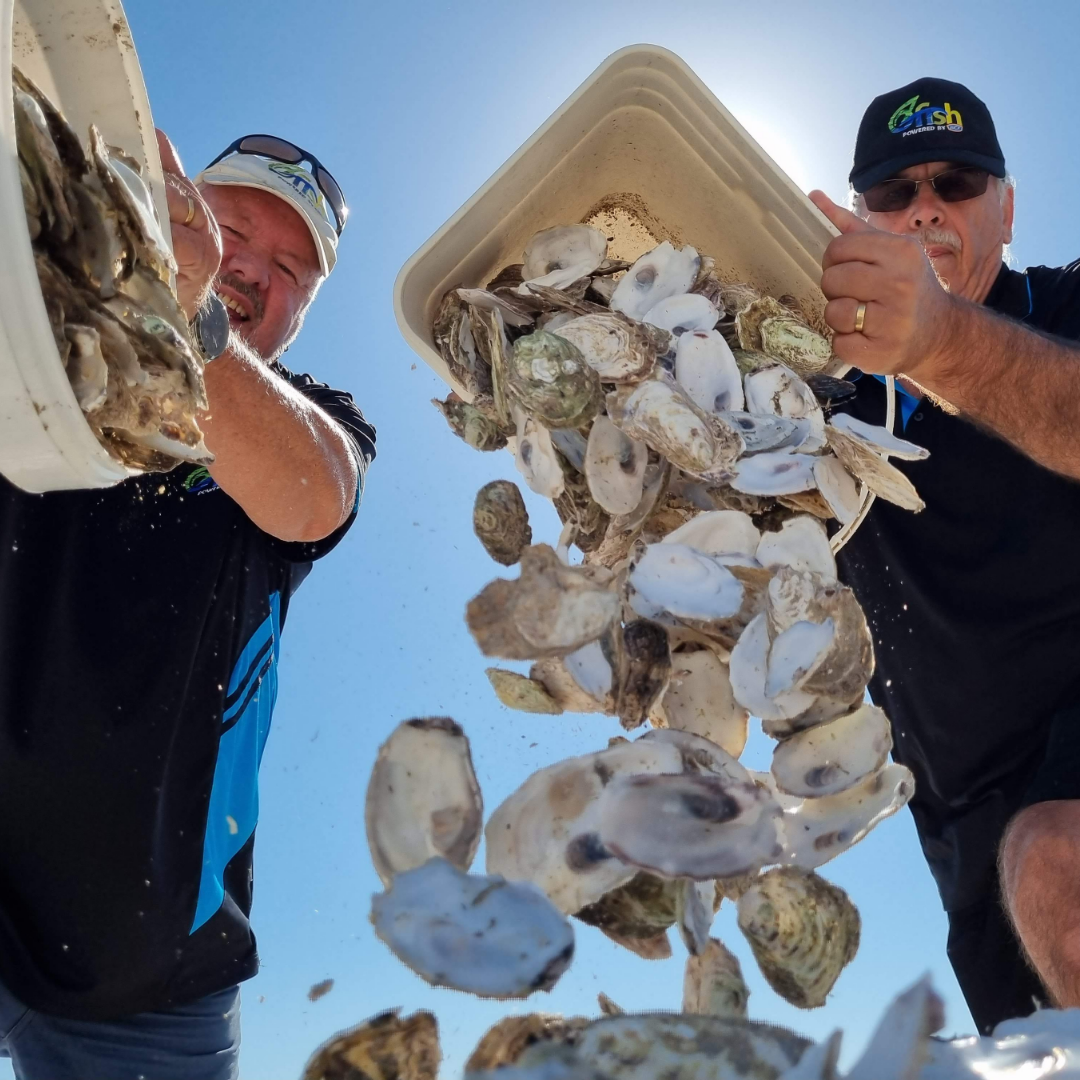
OzFish Unlimited – Central Moreton Bay Chapter
OzFish Unlimited's Central Moreton Bay Chapter is Australia's largest community-led shellfish reef restoration project, collecting discarded oyster shells from restaurants, seafood outlets and commercial shuckers and transforming them into the foundation for new shellfish reefs.
At the chapter's shell recycling facility, recycled shells are sanitised and packed into specially designed Robust Oyster Baskets, where they provide habitat for baby oysters to settle, grow and form self-sustaining reefs.
In 2025 alone, the chapter diverted more than 216 tonnes of oyster shell from landfill and contributed more than 7,800 volunteer hours to reef restoration. Since 2017, volunteers have deployed more than 17,000 Robust Oyster Baskets, helping support an estimated 9.7 million shellfish and 17.5 million marine creatures.
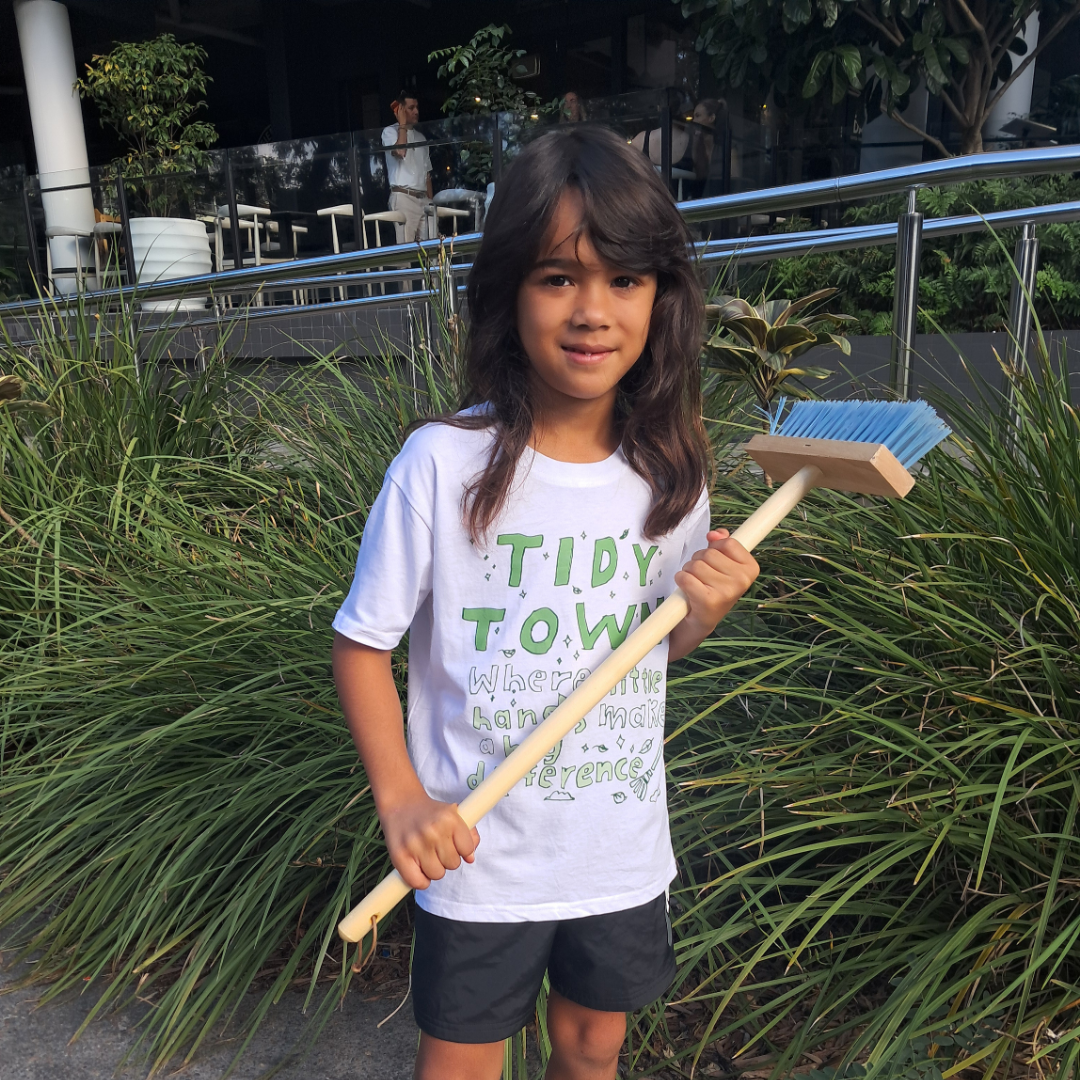
Maurice Maas – GenerationKind
At just seven years old, Maurice Maas is proving that you're never too young to make a difference. In March 2026, together with his family, Maurice organised TidyTown, a community clean-up that brought together 105 children and their families to care for their local neighbourhood.
The event removed approximately 1,500 litres of rubbish and organic material from the environment while teaching children that small actions can create meaningful change when people work together. Through the hands-on experience, children learned about waste reduction, environmental responsibility and taking pride in the places where they live.
The success of TidyTown has inspired a broader vision through GenerationKind, an up-and-coming not-for-profit which aims to create ongoing opportunities for children to care for their environment.
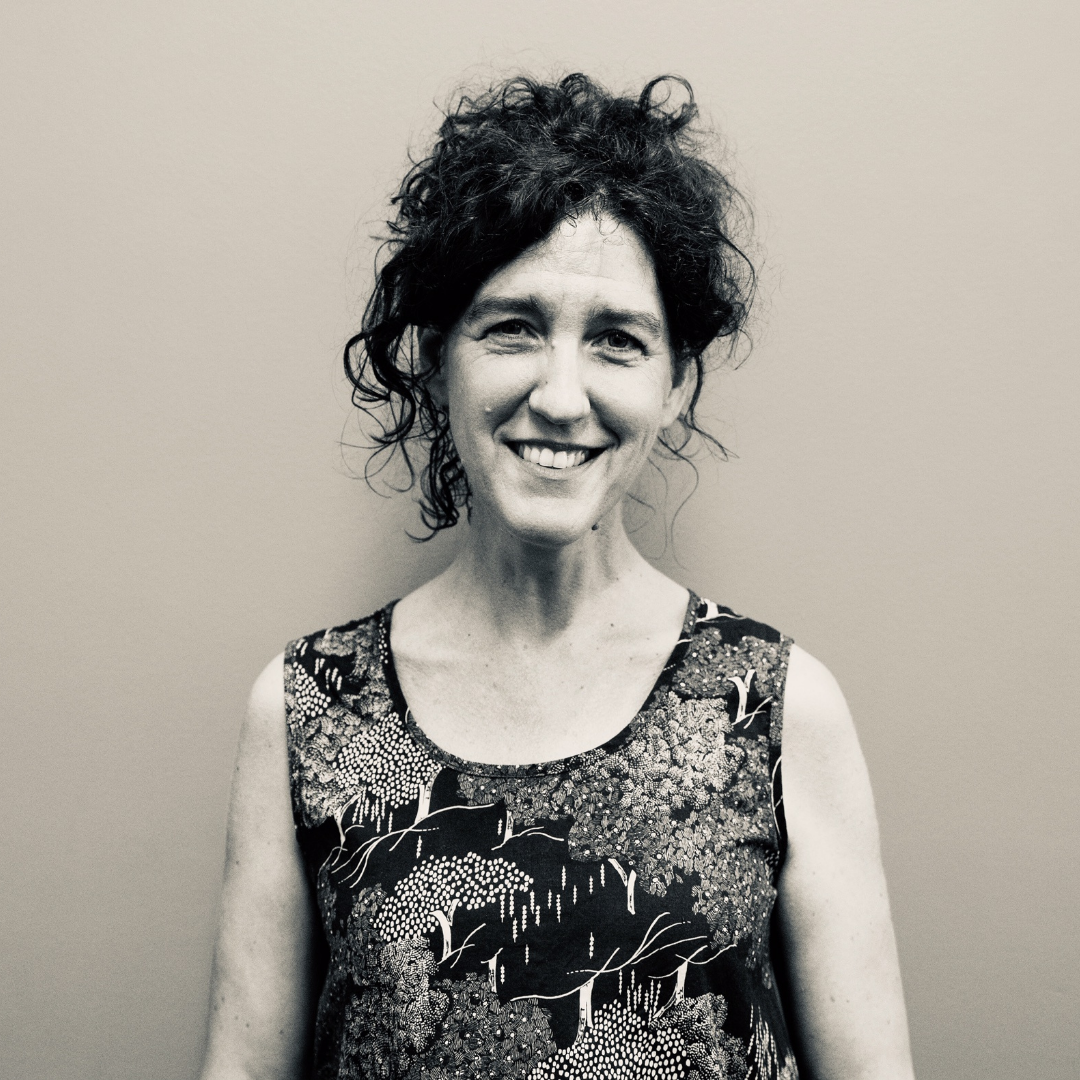
Julie Robson
As Sustainability Officer at Payne Road State School, Julie has created a sustainability hub featuring vegetable gardens, composting systems, worm farms, a pollinator fence, greenhouse and endangered fish breeding pond. Through environmental leadership programs, school-wide initiatives and hands-on learning experiences, she helps more than 350 students each year develop practical sustainability skills.
Under Julie’s guidance the school's composting systems now recycle fruit scraps and paper waste every day, diverting more than five kilograms of organic material each week and helping keep an estimated 500 kilograms of CO₂ out of the atmosphere each year. Julie has also established the Containers for Change program on campus, which is now on track to divert more than 340 kilograms of metal from landfill.